
We are thrilled to announce that the RAISE Project is participating in two exhilarating Datathons happening this Sunday, December 8, hosted by two of the most prestigious institutions in Northern Greece: Aristotle University of Thessaloniki and University of Macedonia. This is a fantastic opportunity for data enthusiasts to showcase their skills, collaborate, and compete for exciting prizes! 1st Datathon at Aristotle University of Thessaloniki 2nd Datathon at University of Macedonia Participation Details and Prizes Both Datathons feature unique participation categories tailored to different skill levels and interests. These events promise dynamic environments where teamwork and creativity will be put to the test. Participants will compete in various categories, with a chance to win prizes up to €1000! Specific details about the categories and the prizes can be found in the respective registration links.
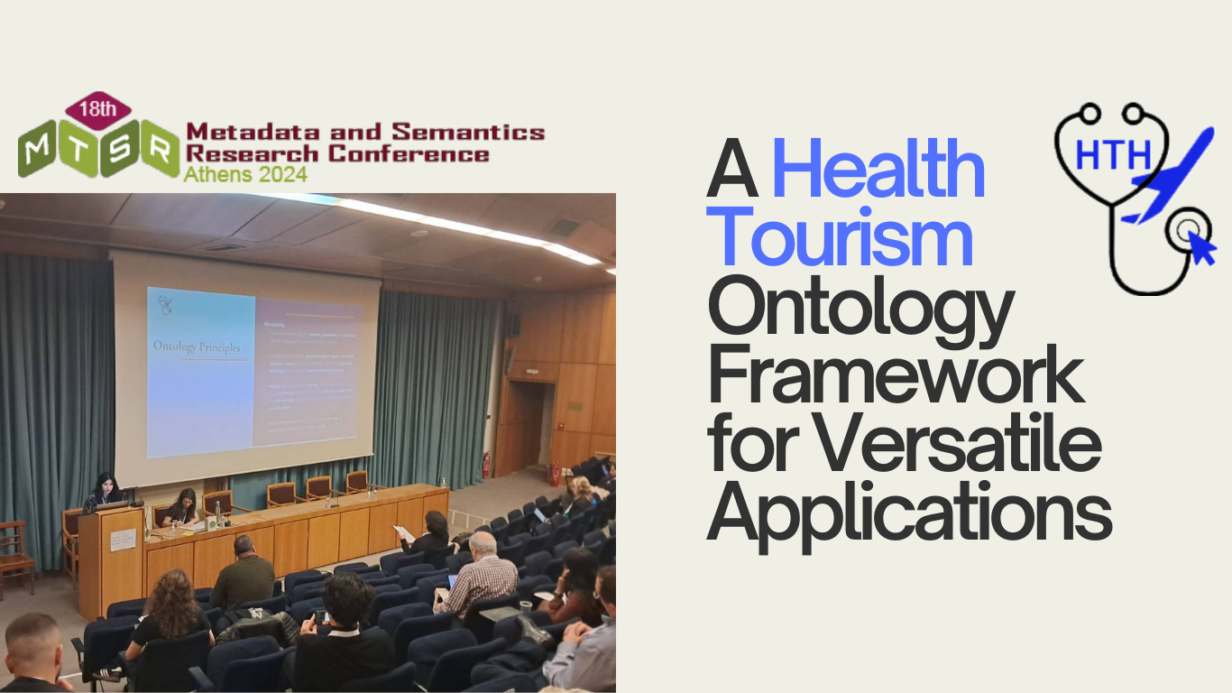
At the “18th International Conference on Metadata and Semantics Research Athens” held from 19 to 22 November 2024, Sofia Gkevreki – Research Associate, delivered a noteworthy presentation on health tourism that captured the audience’s attention, entitled: “A Health Tourism Ontology Framework for Versatile Applications.” This research highlighted how semantic technologies …
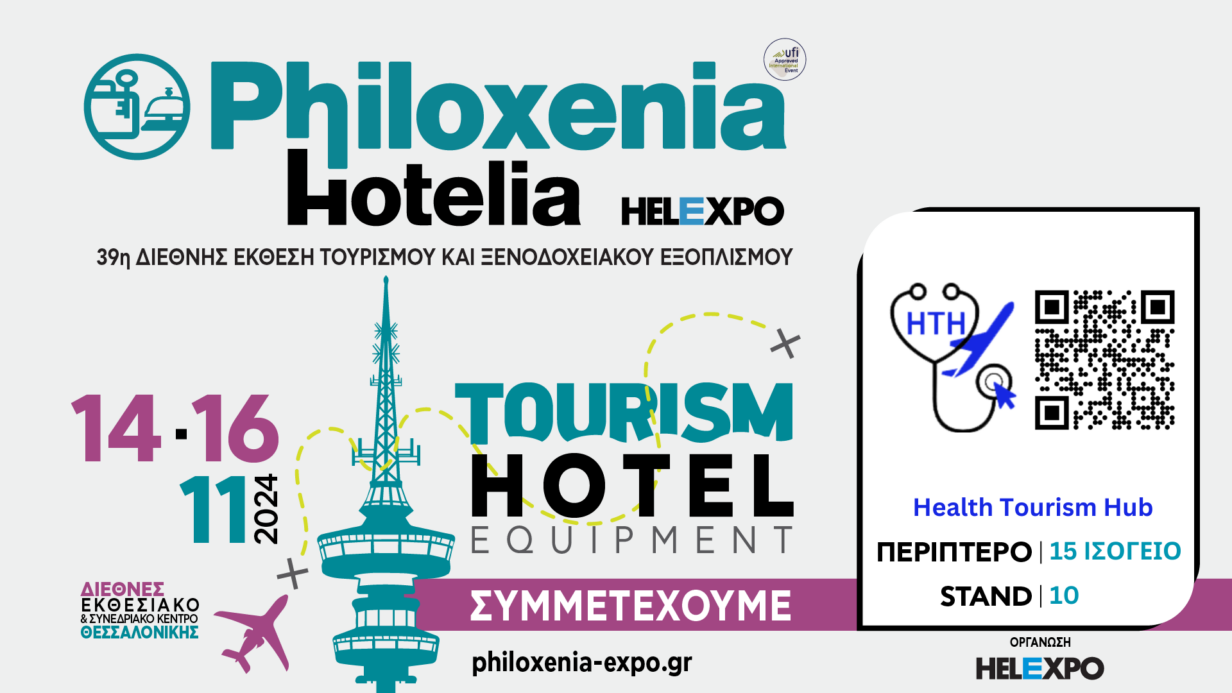
We are thrilled to announce that our “Health Tourism Hub” project will be featured at the upcoming PHILOXENIA-HOTELIA 2024 exhibition! This renowned event is set to take place from November 14th to 16th, gathering leaders and innovators from the tourism and culture industries under one roof to foster new connections …
The PREDICTOM Consortium held its first annual plenary meeting in Erlangen, Germany, from Monday, 30th September to Tuesday, 1st October 2024. Partners from across Europe and beyond gathered to review the project’s progress and discuss upcoming milestones. The meeting, hosted by Siemens Healthineers, featured presentations from other IHI projects (AD-RIDDLE …

Our paper, “Intelligent Conversational Agent for Medical Information”, has been published by Springer Nature, marking a significant achievement in the field of healthcare solutions. This research was presented at the 29th International Conference on Natural Language & Information Systems, held at the University of Turin, Italy, from June 25-27, 2024, …
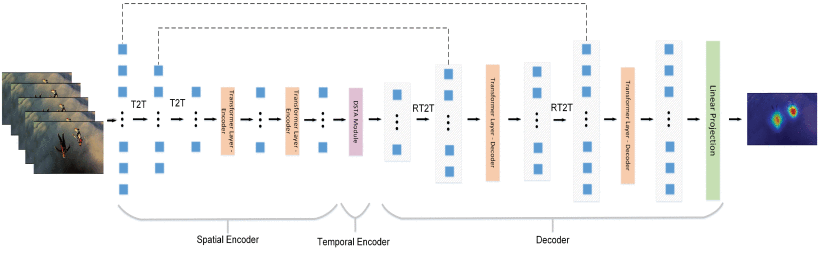
We are thrilled to share the exciting news that our paper, “The Visual Saliency Transformer Goes Temporal: TempVST for Video Saliency Prediction,” has been accepted for publication in IEEE Access. In this work, an innovative model designed to enhance video saliency prediction by extending the capabilities of the Visual Saliency …
The Remote Assessment of Disease and Relapse – Alzheimer’s Disease (RADAR-AD) project, has made significant progress in utilizing remote measurement technologies (RMTs) to assess functional decline in the early stages of dementia. An important challenge encountered was navigating the regulatory landscape for the adoption of these novel technologies in clinical …

The Health Tourism (HT) industry is rapidly evolving, with increasing demand for personalized and sustainable travel experiences. This research paper introduces an ontology-based booking application designed to create tailored health tourism packages. The application leverages sophisticated data modeling techniques to ensure that each package is customized to meet individual preferences …
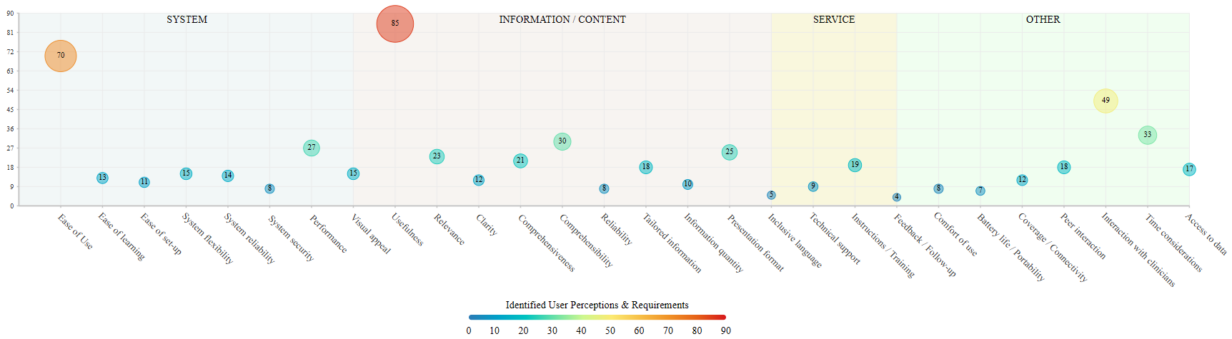
Recent research conducted by our lab has shed light on the crucial role of digital health technologies in managing the growing cancer burden, emphasizing the importance of aligning these tools with patients’ needs. Published in a comprehensive scoping review, the study scrutinizes the preferences and requirements of cancer patients regarding …
Abstract Artificial Intelligence (AI) has a growing influence in the fashion industry. In this review study, the focal points of research in AI in the context of fashion are showcased. This is achieved by quantifying the amount of research conducted in this area. Various insights, that could be useful for …
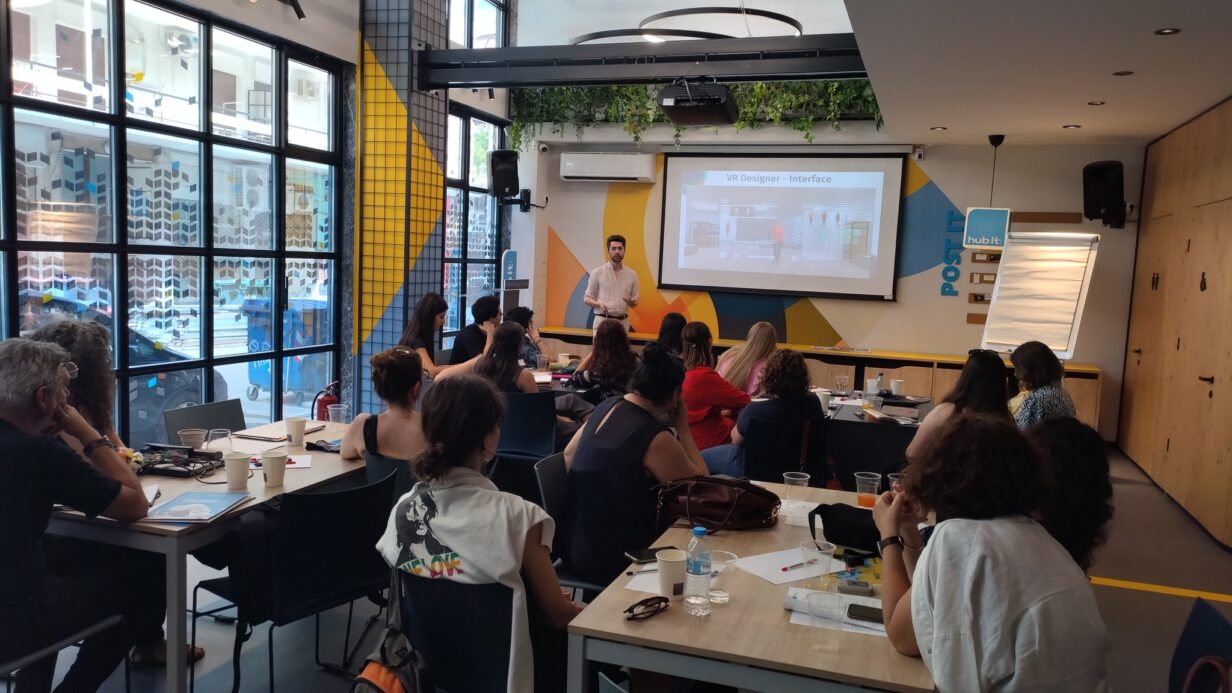
KEPA hosted 15 professionals from Croatia, Italy, and Greece who are active in the Fashion Design industry, participating in the 3-day international collaboration program CODESResidency. In the first day distinguished speakers, shared with the beneficiaries of the CODES project, CO-DEsign for Sustainability, “key” points for the evolution of fashion in …
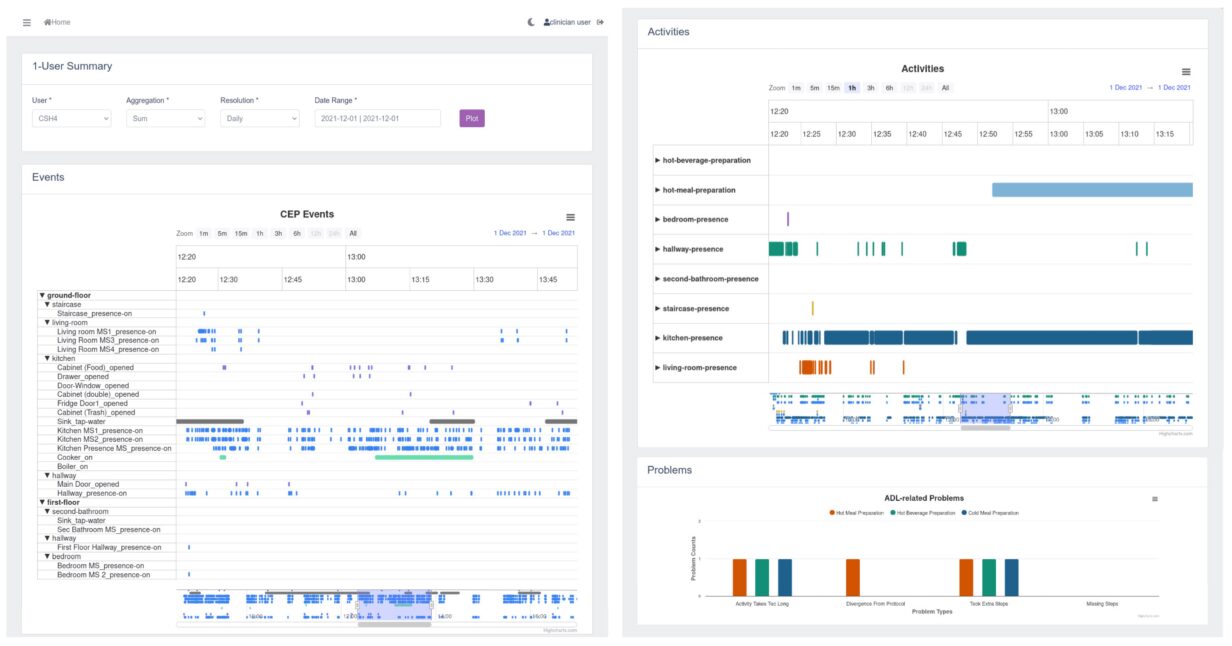
Early diagnosis of Alzheimer’s disease is both crucial and highly challenging. According to recent literature, assessing functional decline in Activities of Daily Living (ADLs) — essential and routine tasks that most healthy individuals can perform without assistance — offers a more promising approach compared to traditional methods like questionnaires, which …

Evaluating a person’s ability to perform everyday activities, known as Activities of Daily Living (ADLs), is crucial for the early diagnosis of Alzheimer’s Disease. Traditional assessment methods for ADLs may miss subtle changes in a person’s functional capabilities, making technology-based approaches more beneficial. Digital biomarkers, offer a promising path for …
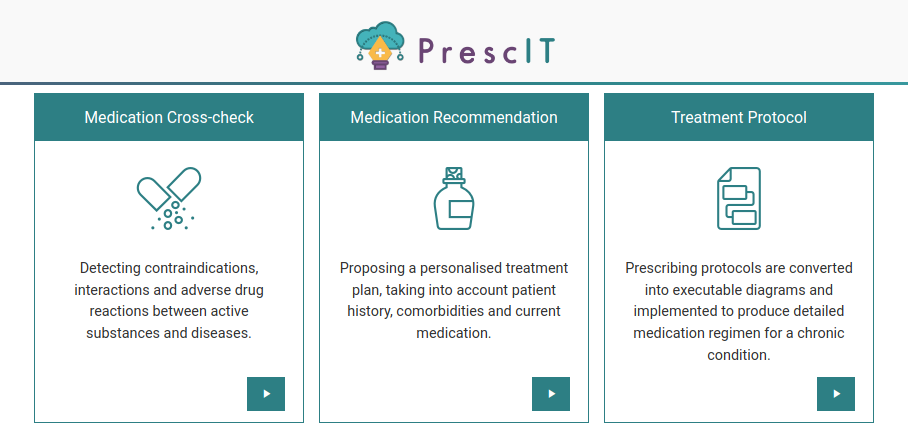
Clinicians are the primary users of digital clinical tools like electronic prescription systems. For this, it is crucial to involve them in the design, development, and evaluation of new systems to ensure they meet their needs and can be integrate seamlessly into their daily practice. In the context of the …

Electronic Prescription (e-prescription) systems are increasingly adopted in healthcare worldwide. Similarly, in Greece, since 2011, a national e-prescription system assists healthcare professionals (HCPs). Research discussing the acceptability and usability of these systems, by assessing the opinions of the main users is limited, even though HCPs’ feedback is valuable to evolve …
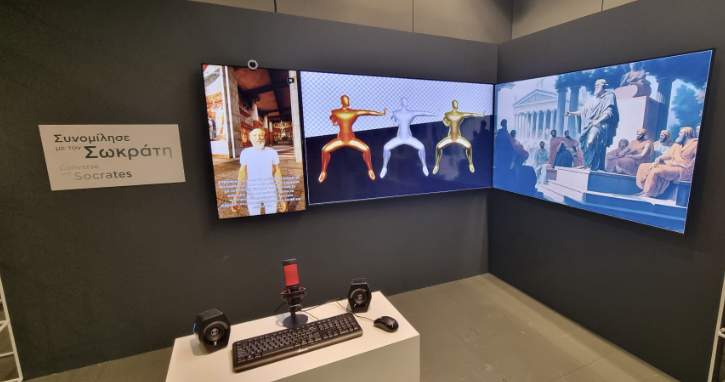
The ongoing exhibition, “Artificial Intelligence: Opportunities & Challenges,” at the Thessaloniki Science Center and Technology Museum NOESIS, provides a comprehensive look into the dynamic world of artificial intelligence (AI), examining its rapid advancements, high expectations, and the societal concerns it raises. Highlighting ongoing research and significant findings from five CERTH-ITI …
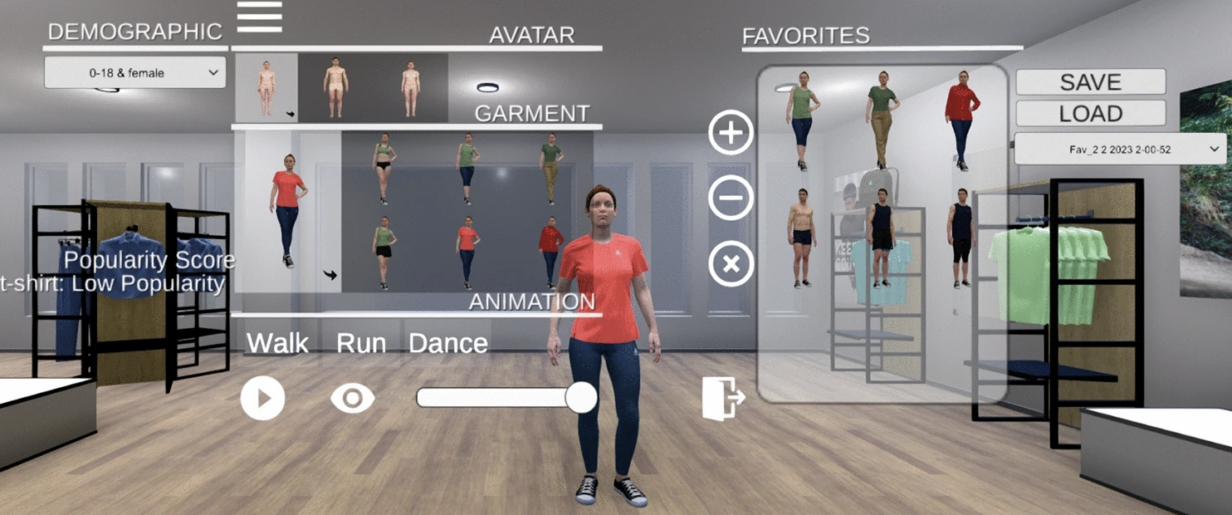
While VR and Augmented Reality (AR) technologies have rapidly advanced in various sectors, the fashion industry has been slower to adopt them. Companies like Meta, Apple, and Amazon have driven the growth of these technologies, yet fashion has been slow to adopt them. However, the rise of 3D design software …
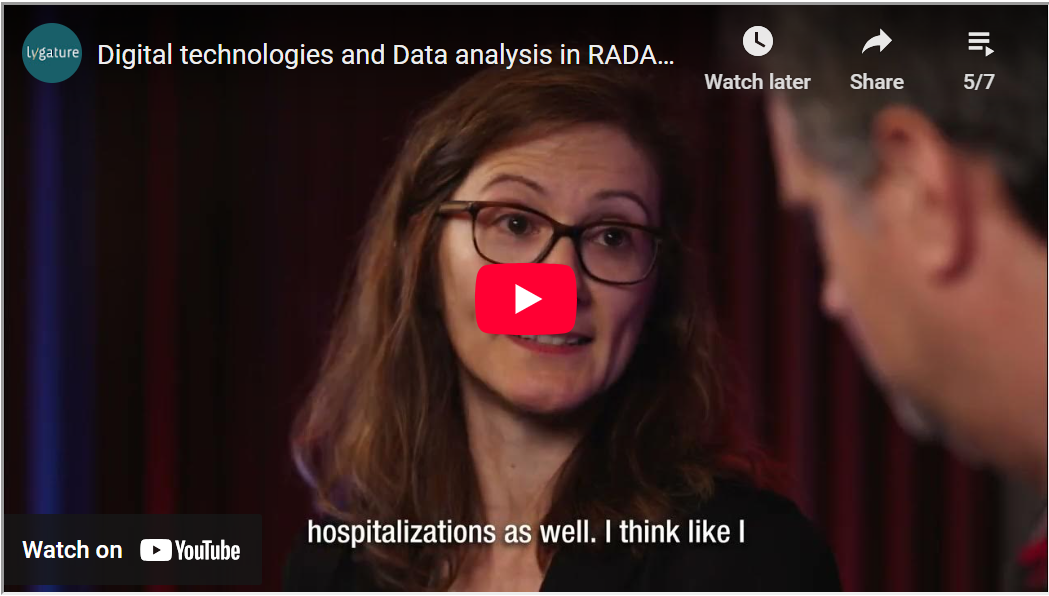
What is the potential of digital technologies such as wearables, sensors, mobile apps and cameras to improve the assessment of Alzheimer’s disease? The RADAR-AD consortium publishes a series of videos in which RADAR-AD researchers, clinicians, industrial partners and patient representatives explain their work, highlight preliminary results and share their learnings …