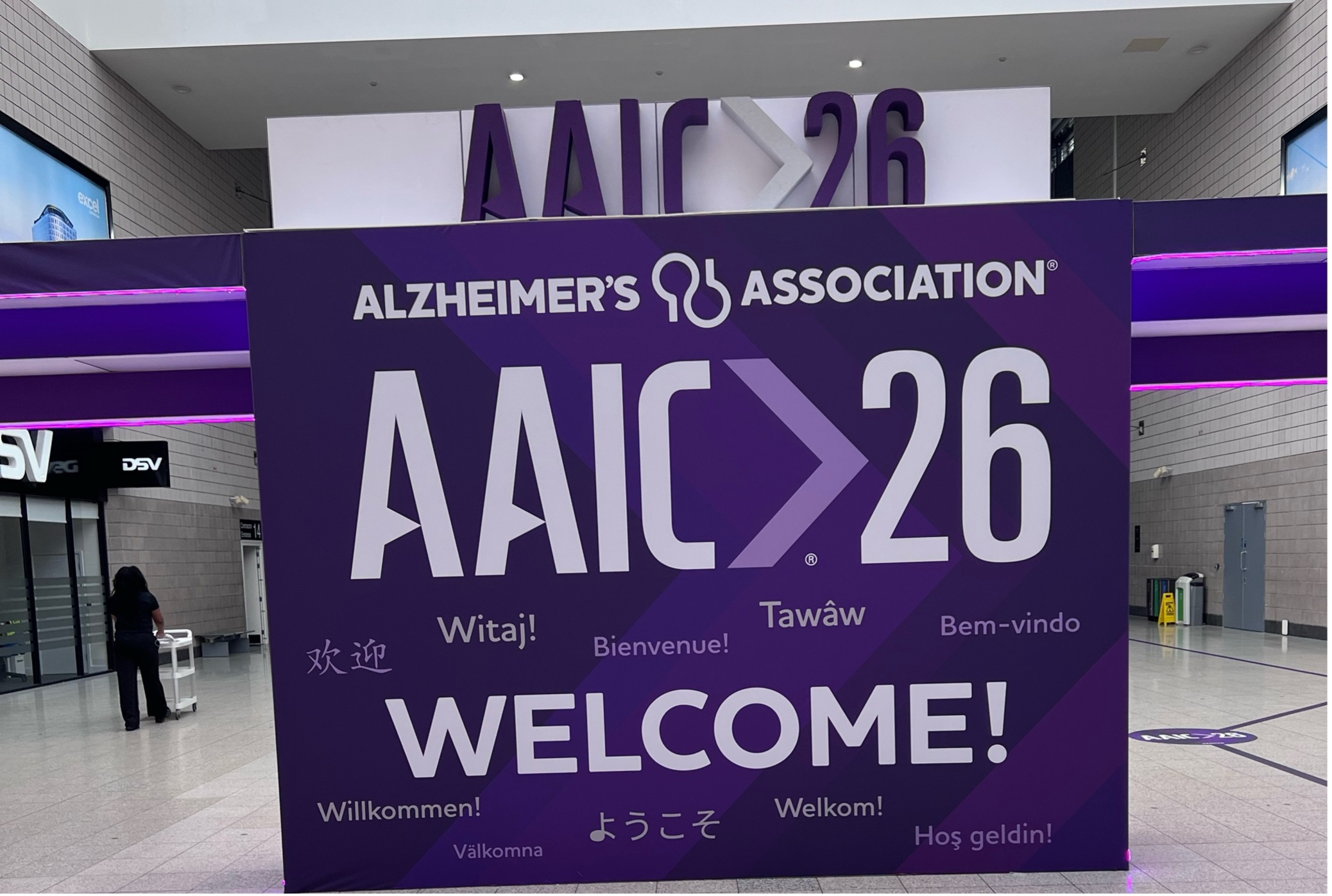
AAIC 2026: Where Alzheimer’s Prevention, Treatment, and Diagnosis Stand Now
The Alzheimer’s Association International Conference (AAIC) 2026 offered one of the clearest snapshots yet of a field moving on three fronts at once: preventing decline through lifestyle, altering the disease course with drugs, and diagnosing pathology from a simple blood draw. For our group — with its long-standing interest in brain health, cognitive-decline biomarkers, and […]
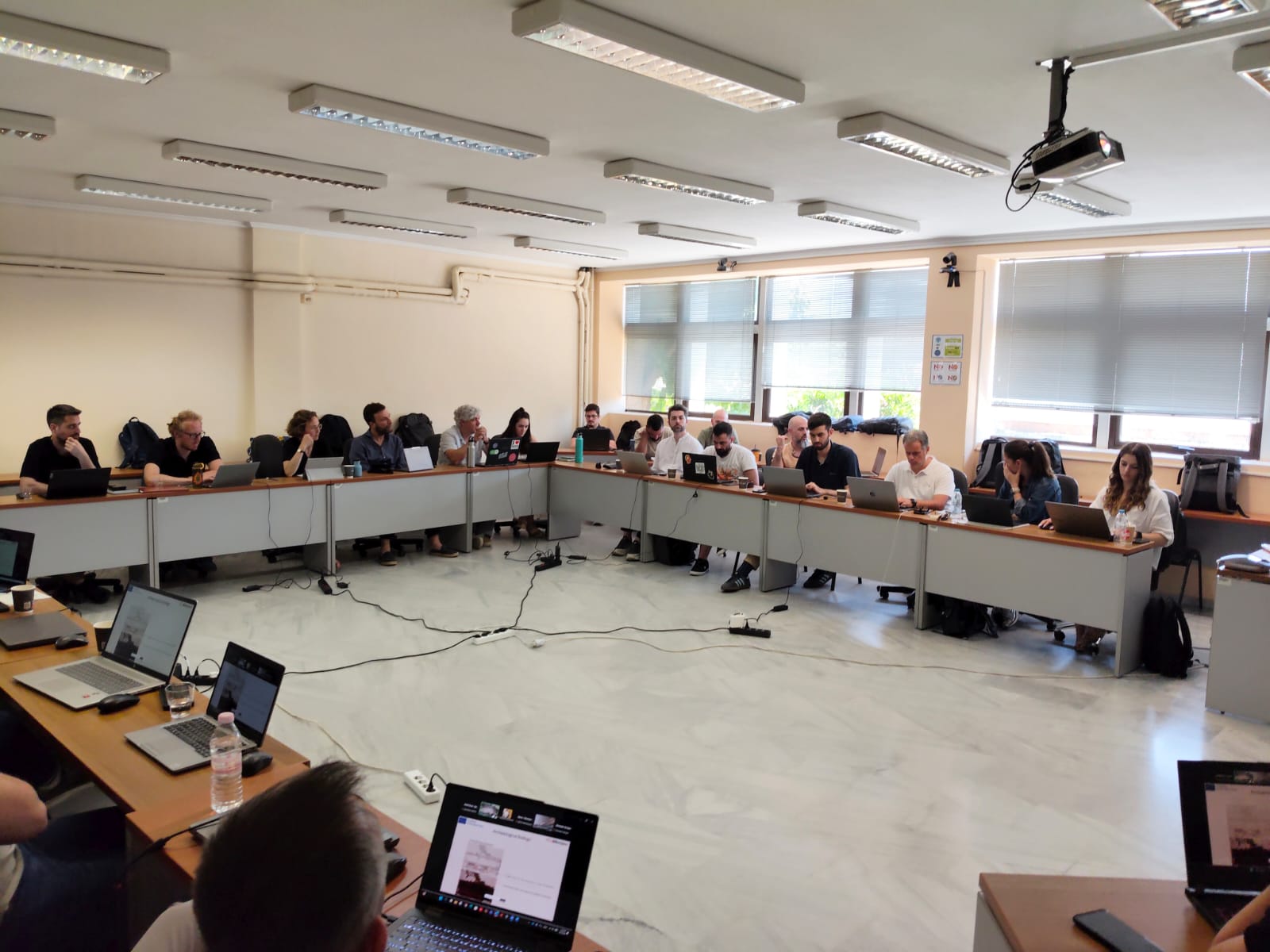
MusicSphere 3rd consortium meeting in Katerini and Thessaloniki focused on the world’s first known keyboard musical instrument, the ancient Hydraulis.
The 3rd consortium meeting of the Horizon ECCCH MusicSphere project took place on the 2nd and 3rd of June 2026, hosted by LUTHIEROS and the International Hellenic University. The meeting focused on the Use Case I, the ancient musical instrument Hydraulis, which is considered to be the ancient predecessor of the modern pipe organs. Two […]
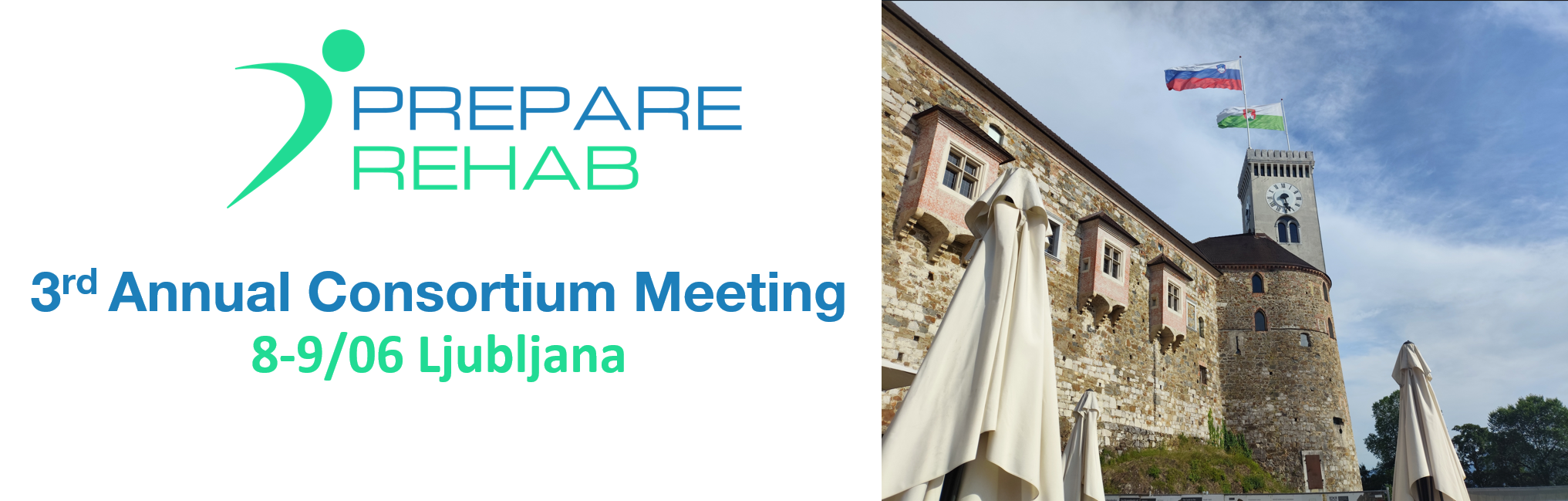
PREPARE Consortium Meeting in Ljubljana: Progress, results, and planning for the final project year
The 3rd PREPARE consortium meeting, hosted by our partners URI and JSI in Ljubljana on 8–9 June 2026, brought together project partners to review recent achievements, share the latest results, and coordinate activities as we move into the final year of the project. Over the past year, our team has focused on developing predictive models […]

TARGET EU Project – 3rd Annual Consortium Meeting
The 3rd Annual Meeting of the TARGET EU Project took place in Thessaloniki, Greece, on 28–29 May, hosted by the Centre for Research & Technology Hellas (CERTH). More than 50 researchers from 15 institutes and universities gathered for two days of scientific exchange, technical alignment, and clinical collaboration around Digital Twin technologies in cardiovascular care. […]
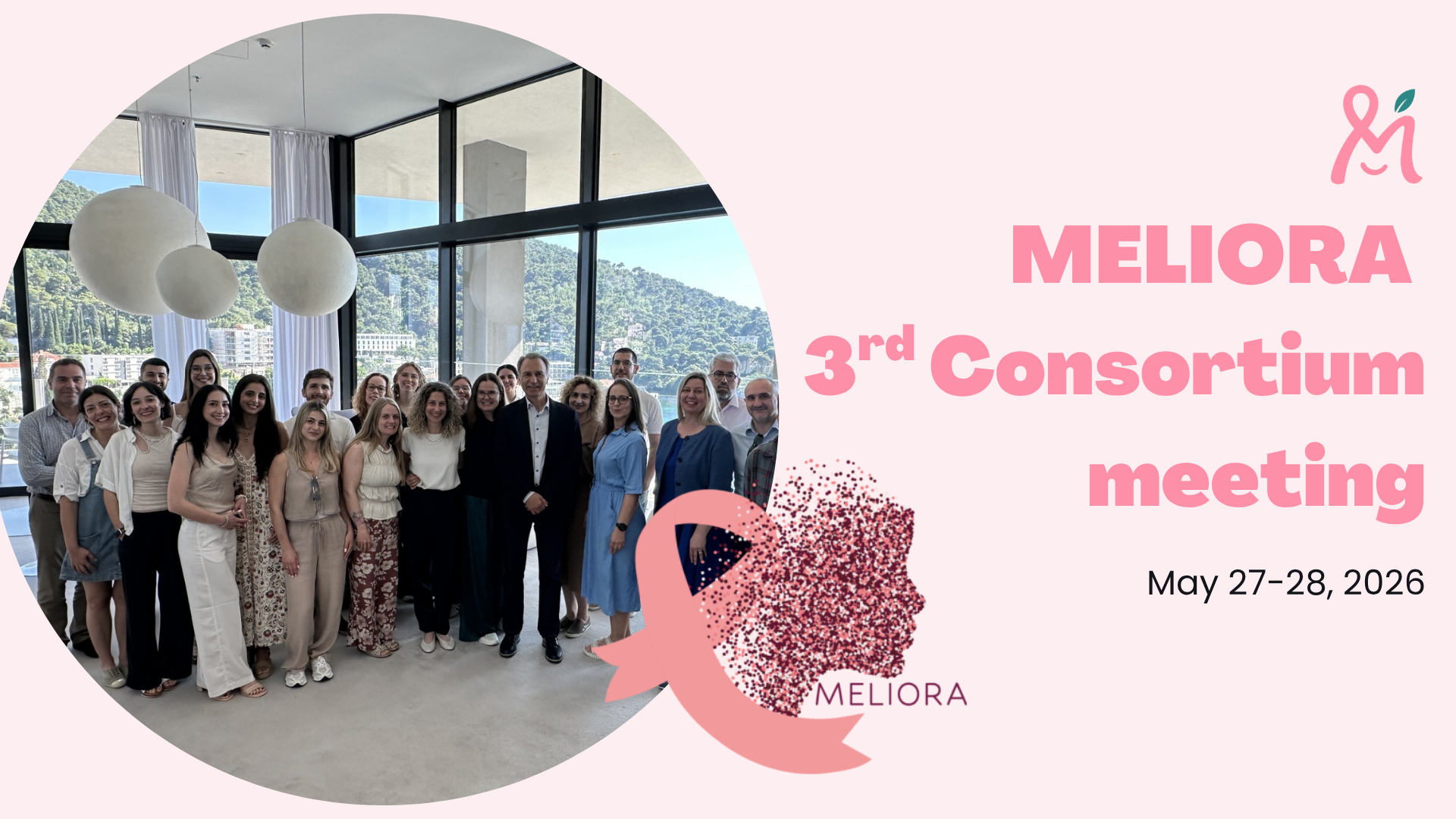
MELIORA 3rd Consortium Meeting in Dubrovnik: Aligning Progress, Trials and Digital Innovation for Women’s Health
On 27–28 May 2026, partners from across Europe gathered in Dubrovnik, Croatia, for the 3rd Consortium Meeting of the MELIORA project. The meeting brought together clinical, research, technical and dissemination partners to review progress, discuss ongoing activities, and align the next steps of the project. Over two productive days, the consortium had the opportunity to […]

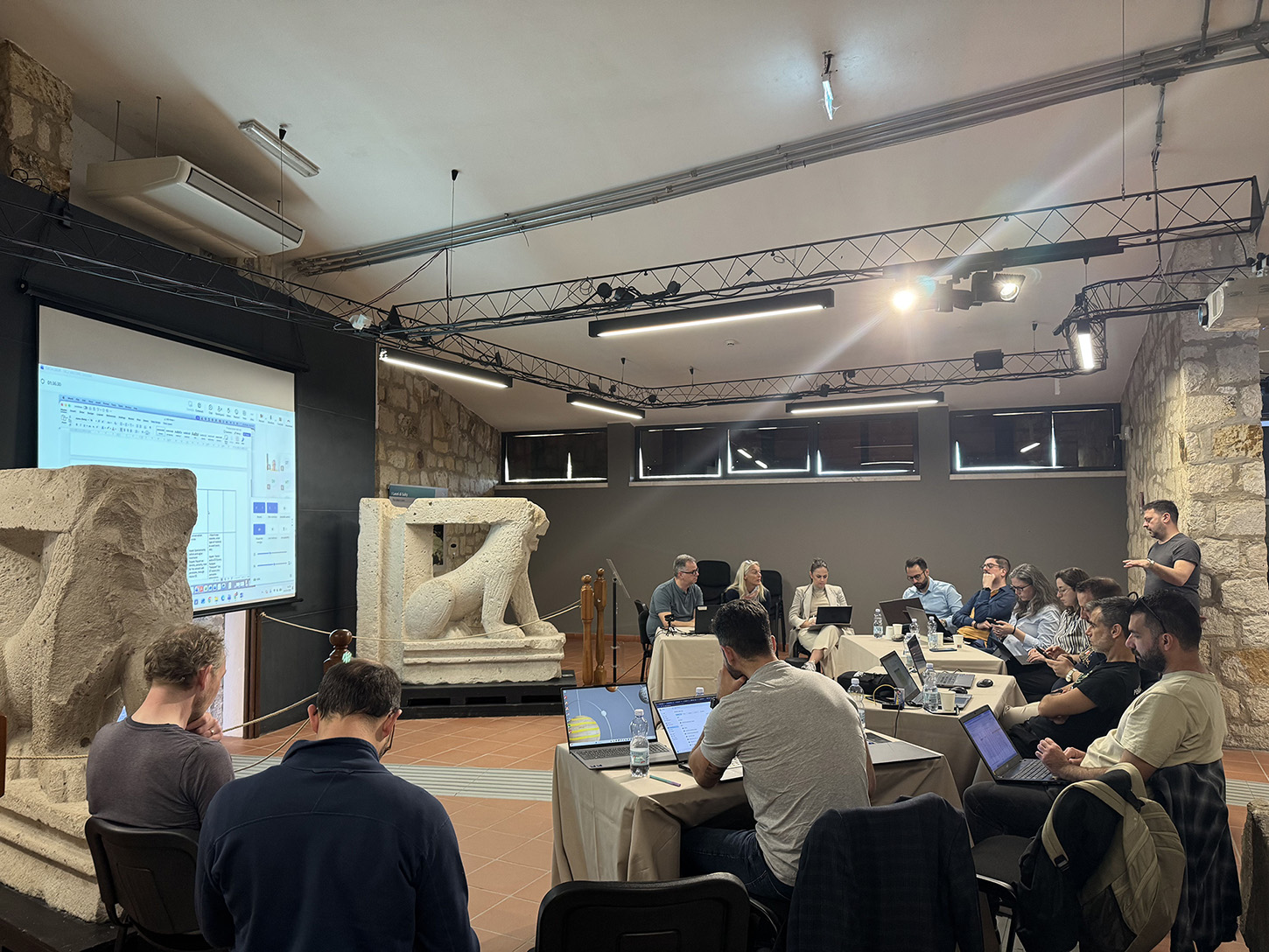
EXCALIBUR – 2nd consortium meeting in Sant’Antioco, Sardinia
EXCALIBUR project held its second meeting on 23- 24 April 2026 in Sant’Antioco, Sardinia, bringing partners together at a key use-case site: the Necropolis of Is Pirixeddus at Sant’Antioco, which spans from the 6th century BC throughout the Roman period and beyond. The meeting was organised by the project partner, the Superintendency of Archaeology, Fine […]
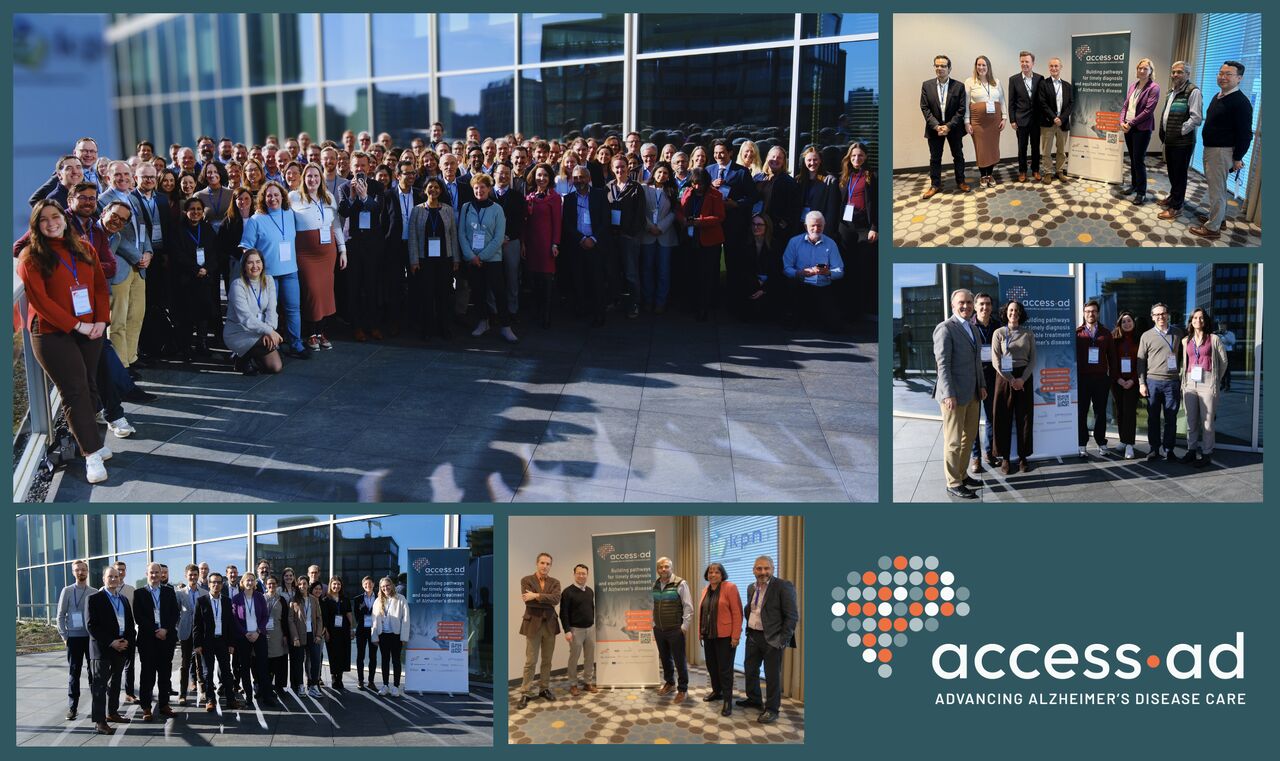
Transforming the Alzheimer’s Journey: BHV at the ACCESS-AD 1st General Assembly in Amsterdam
The ACCESS-AD General Assembly meeting in Amsterdam, 2nd – 3rd March 2026, brought together the bright minds of a powerhouse consortium led by Siemens Healthineers, Gates Ventures, Amsterdam UMC, and King’s College London, uniting industry leaders with top-tier academic institutions to redefine the future of Alzheimer’s care. A Mission for Equity and Innovation The energy […]

What drives consumer choices? Our latest Neuromarketing study reveals.
We are pleased to announce that a new research article from our lab has been published in Corporate Communications: An International Journal. The study investigates how different types of price discounts influence consumers’ purchase intentions using eye tracking (ET) and electroencephalography (EEG) in a realistic supermarket simulation. 🧠 What We Did To replicate a true […]
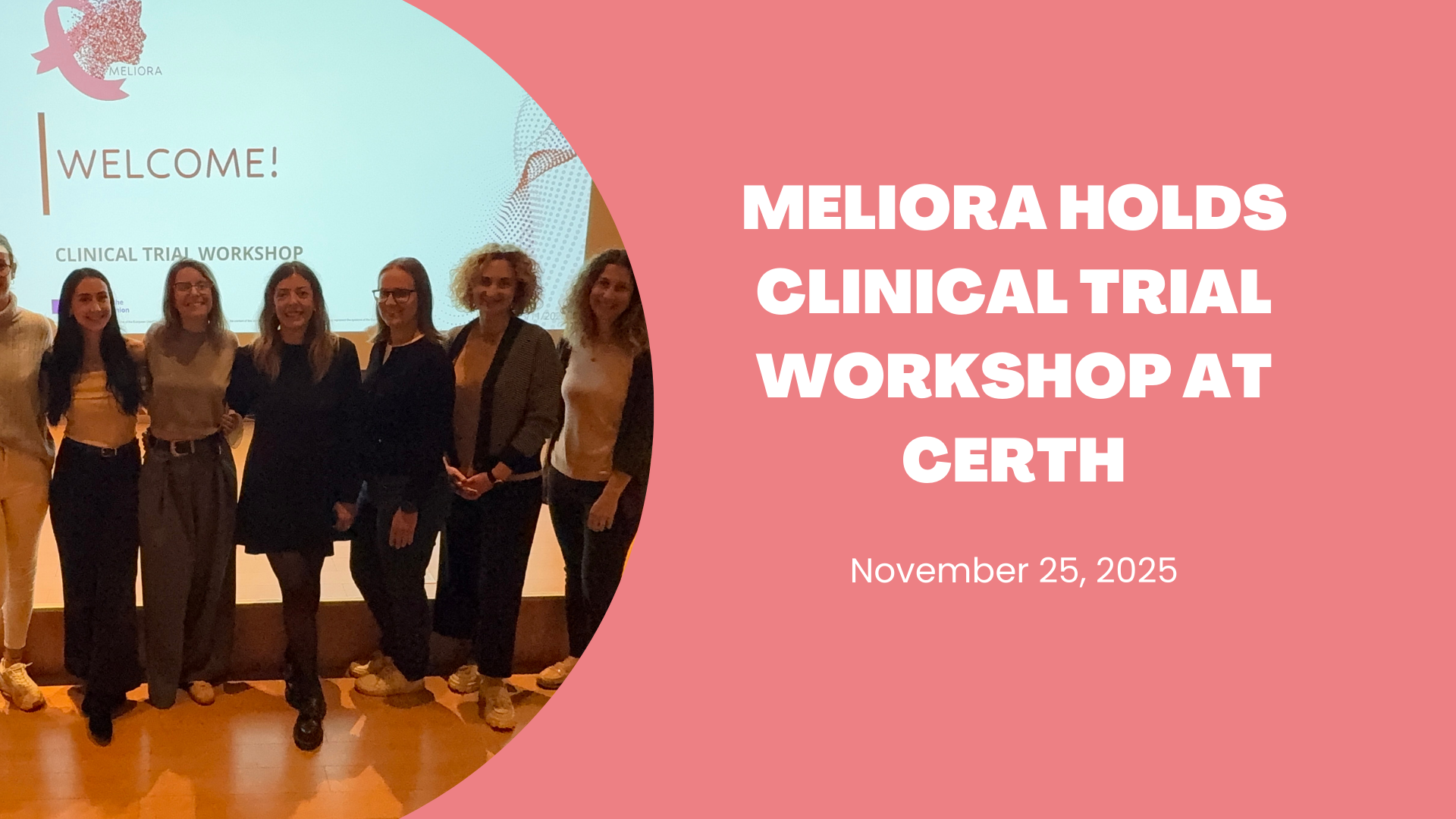
MELIORA Clinical Trial Workshop at CERTH: Turning Ideas into Digital Tools for Women’s Health
Last week, partners from across Europe met at the Centre for Research & Technology Hellas (CERTH) in Thessaloniki for a hands-on clinical trial workshop as part of the MELIORA project. The goal was clear: bring together clinicians, researchers and engineers to fine-tune the digital tools and protocols that will soon support large-scale clinical studies with […]
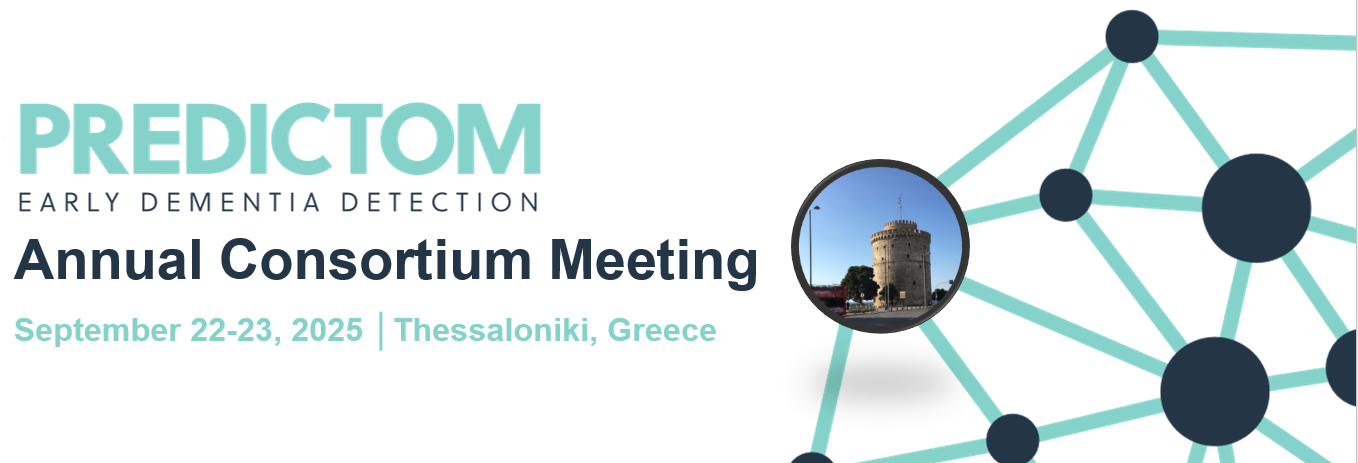
PREDICTOM – 2nd Annual Consortium Meeting
The PREDICTOM Consortium held its second annual plenary meeting in Thessaloniki, Greece, from Monday, 22 to Tuesday, 23 September 2025.The meeting, this year hosted by CERTH, kicked off with a warm welcome followed by engaging discussions through the triple+ IHI initiative, with participation from PROMINENT and AD-RIDDLE projects. Partners explored actionable ways to leverage common […]
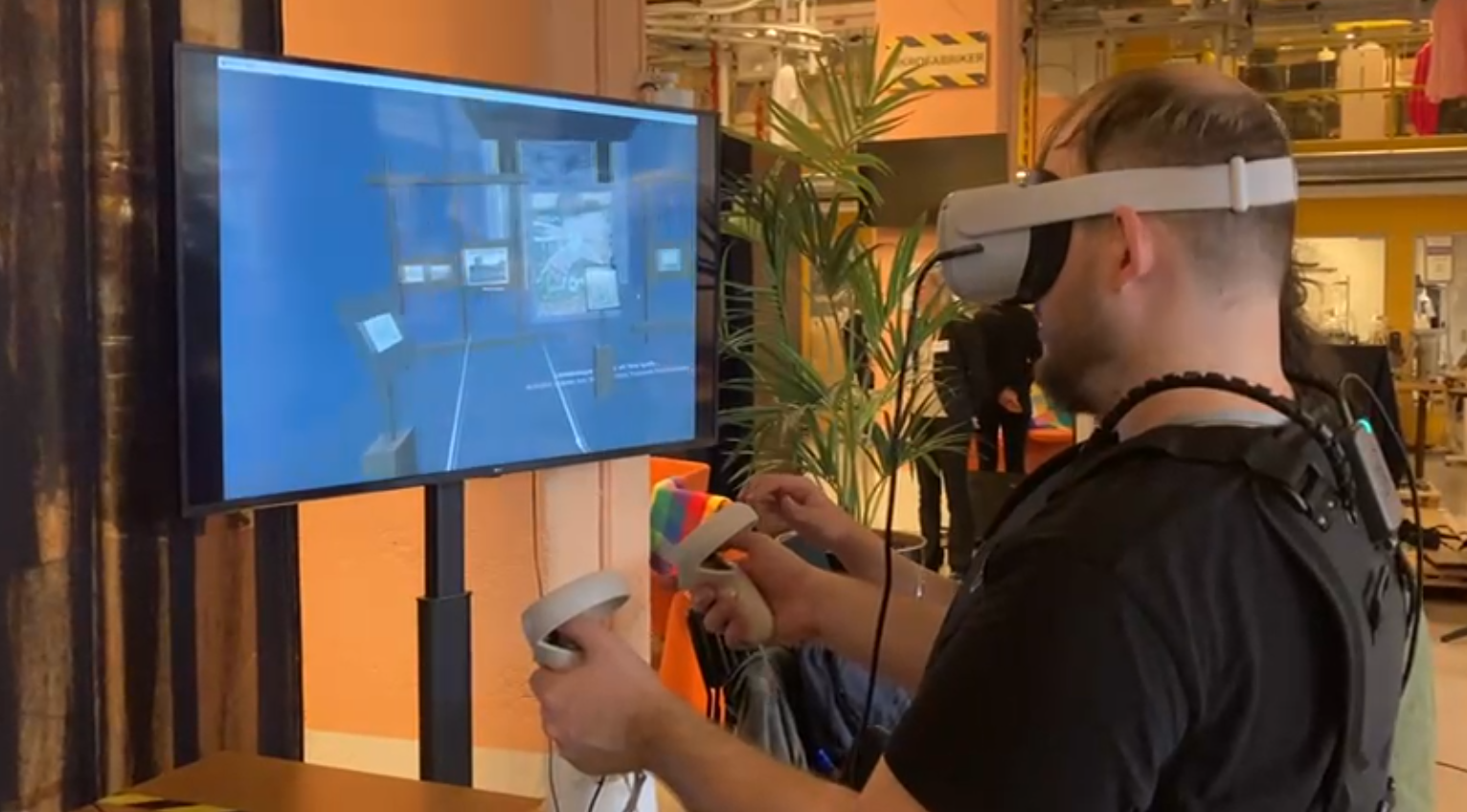
Shaping Inclusive Futures: BHV at the Final MuseIT Event in Sweden
The MuseIT project concluded with a two-day final event in Sweden (2-3 September 2025), bringing together researchers, artists, cultural institutions, and policymakers to celebrate the project’s achievements. The event showcased how technology, creativity, and co-design can broaden access and inclusion to cultural heritage and enable richer multisensory experiences. Over the two days, the BHV team […]

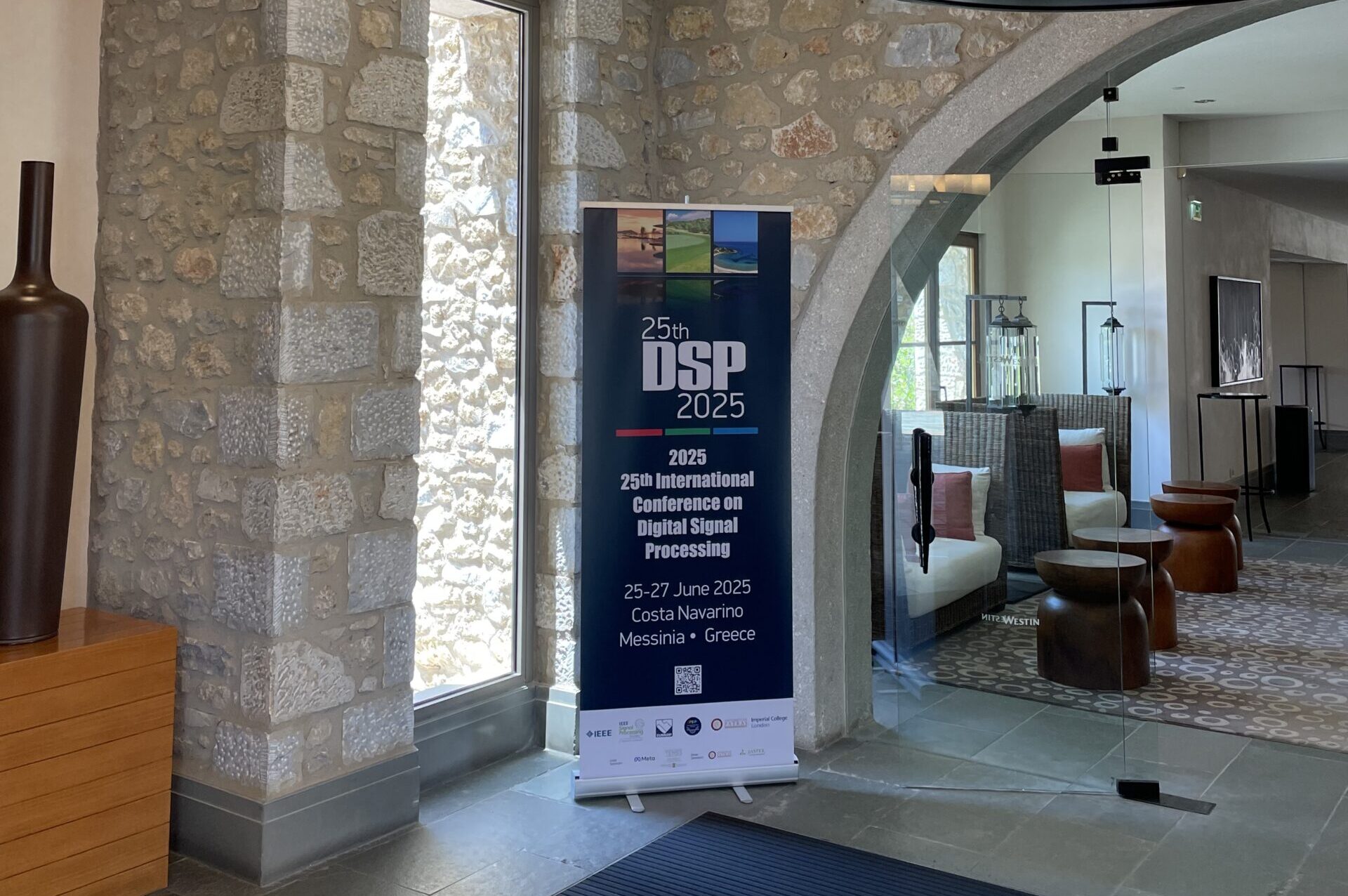
BHV presents two papers at the 25th International Conference on Digital Signal Processing (DSP 2025)
EEG for Art and Marketing – Two Paths to Understanding Human Preference Our research group presented two papers that explore the intersection of electroencephalography (EEG) signal analysis, user preferences, and machine learning at the 25th International Conference on Digital Signal Processing (DSP 2025). Both studies aim to deepen our understanding of human preferences through brain […]