Transforming the Alzheimer’s Journey: BHV at the ACCESS-AD 1st General Assembly in Amsterdam
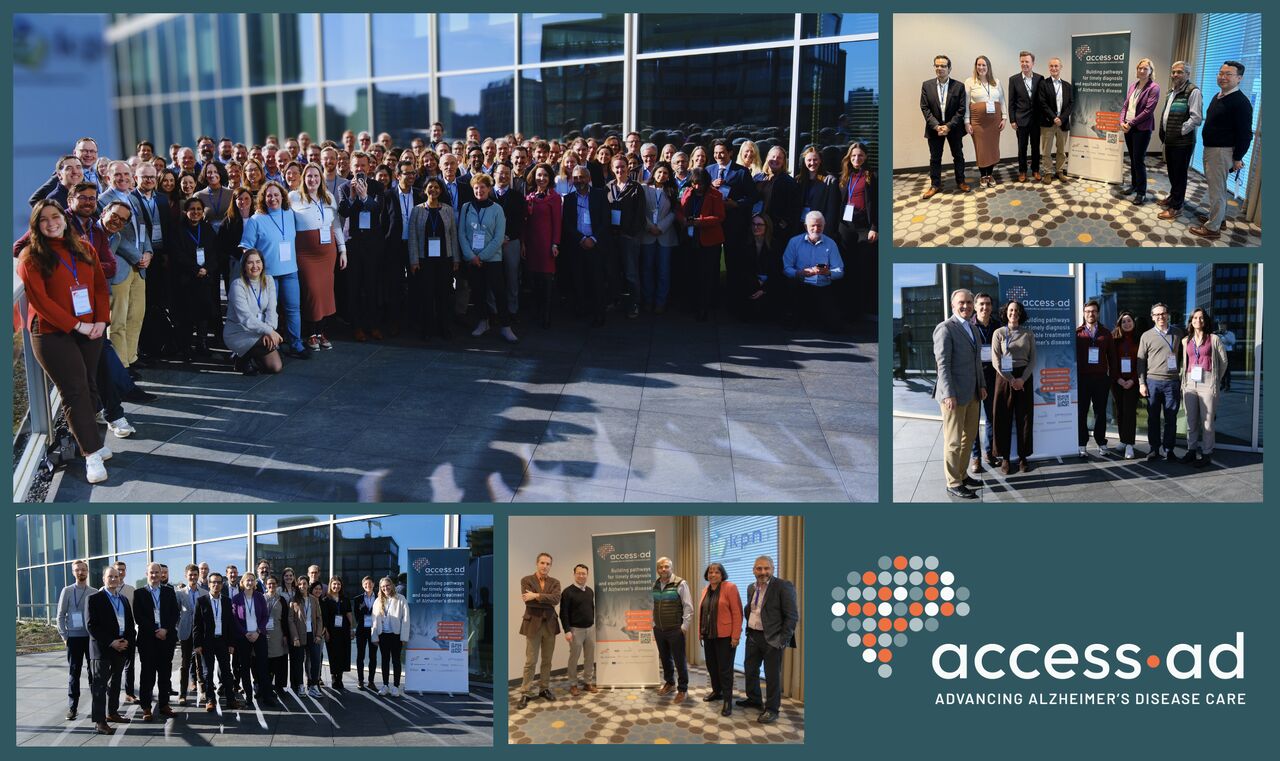
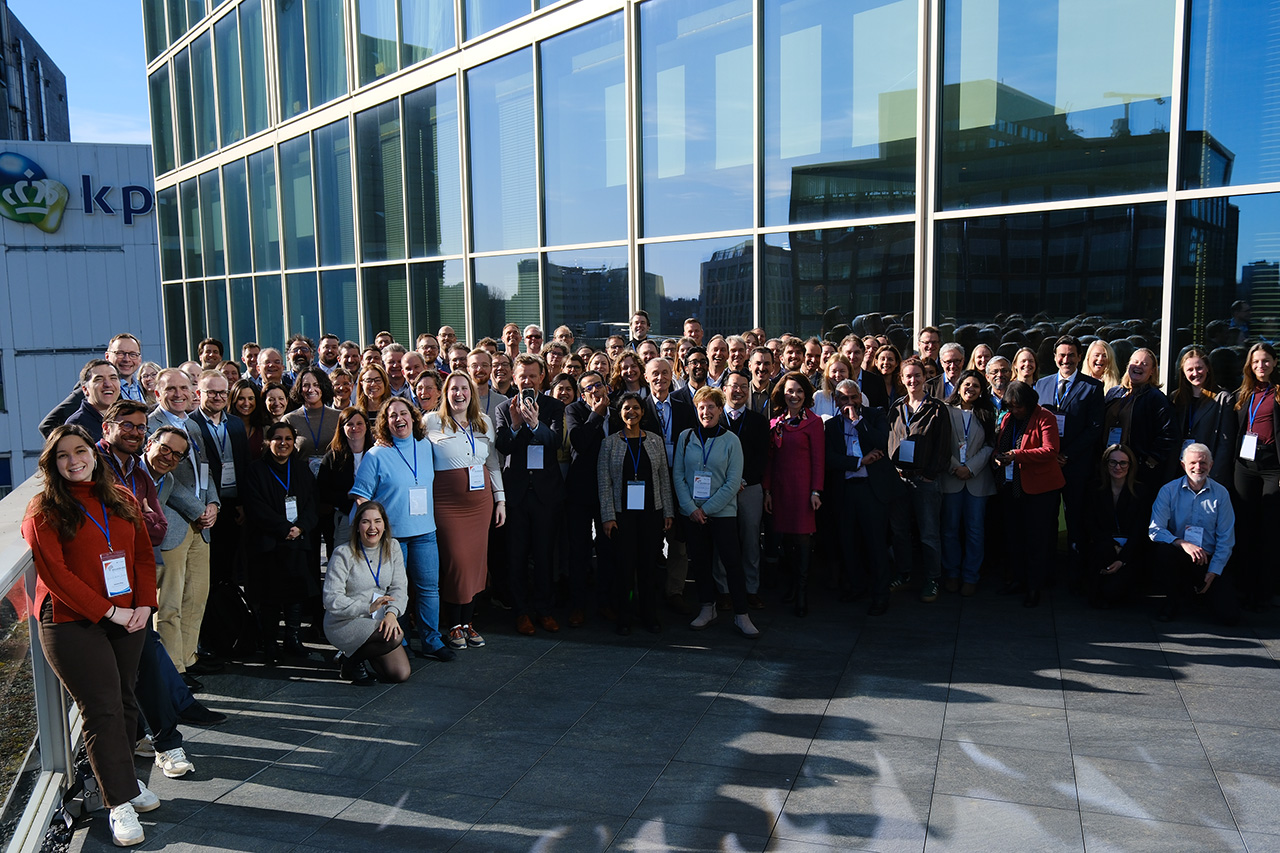
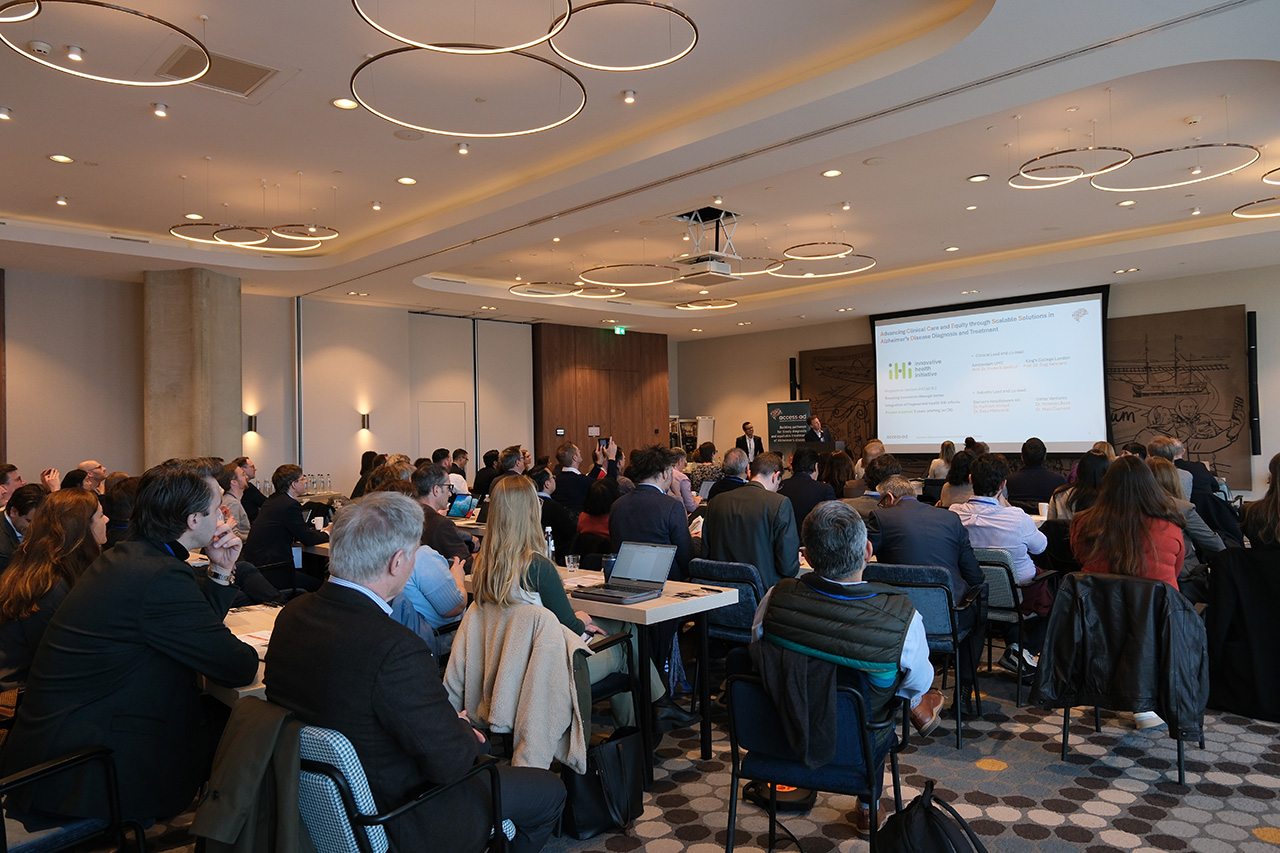
The ACCESS-AD General Assembly meeting in Amsterdam, 2nd – 3rd March 2026, brought together the bright minds of a powerhouse consortium led by Siemens Healthineers, Gates Ventures, Amsterdam UMC, and King’s College London, uniting industry leaders with top-tier academic institutions to redefine the future of Alzheimer’s care.
A Mission for Equity and Innovation
The energy at the meeting was driven by a singular, clear vision: a future where a timely diagnosis and effective treatment for Alzheimer’s disease are accessible to everyone, regardless of their location or socioeconomic status.
The ACCESS-AD mission is to bridge the gap between scientific breakthroughs and everyday clinical practice. By implementing accessible diagnostics and digital decision-support tools, the project aims to move patients away from fragmented care toward a connected, equitable, and personalized clinical pathway.
Insights from the CERTH-ITI Team
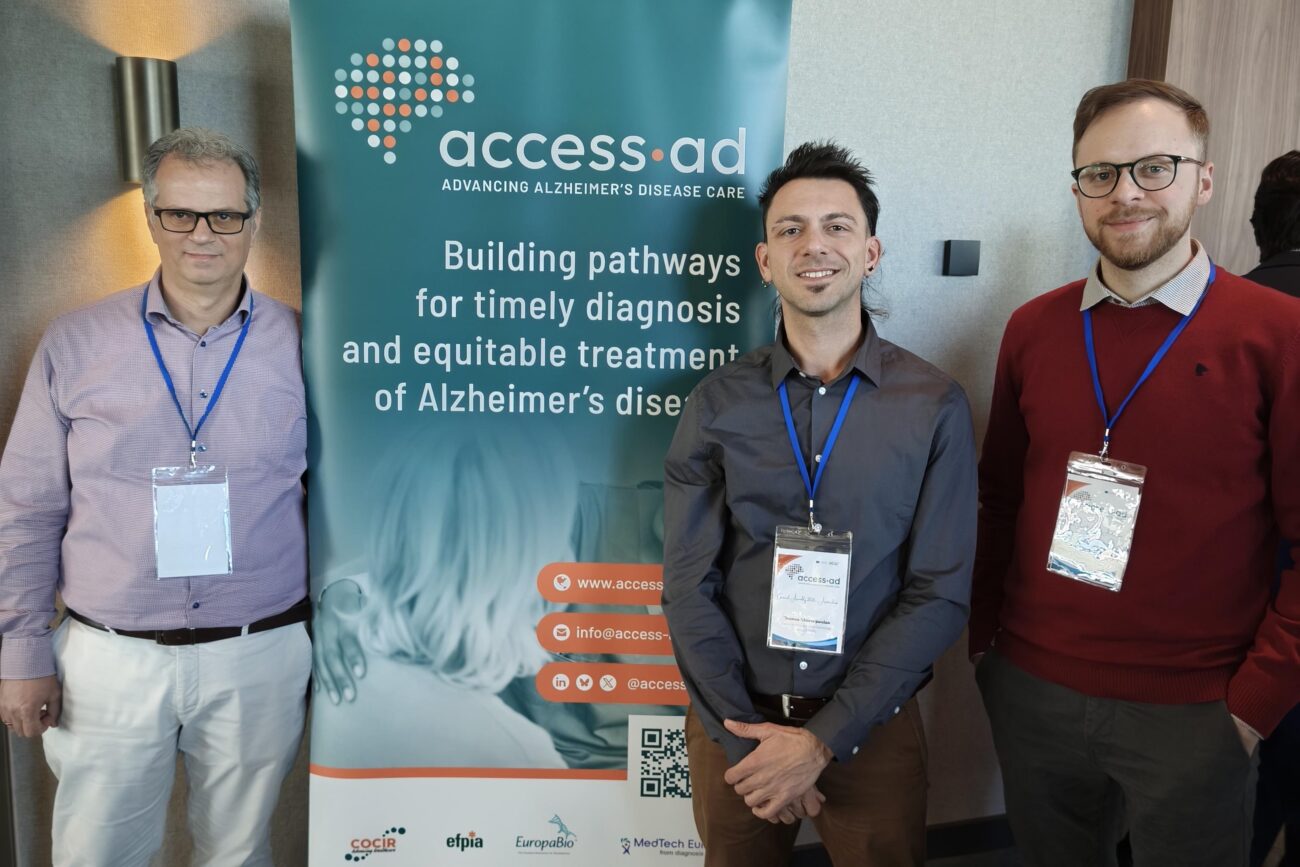
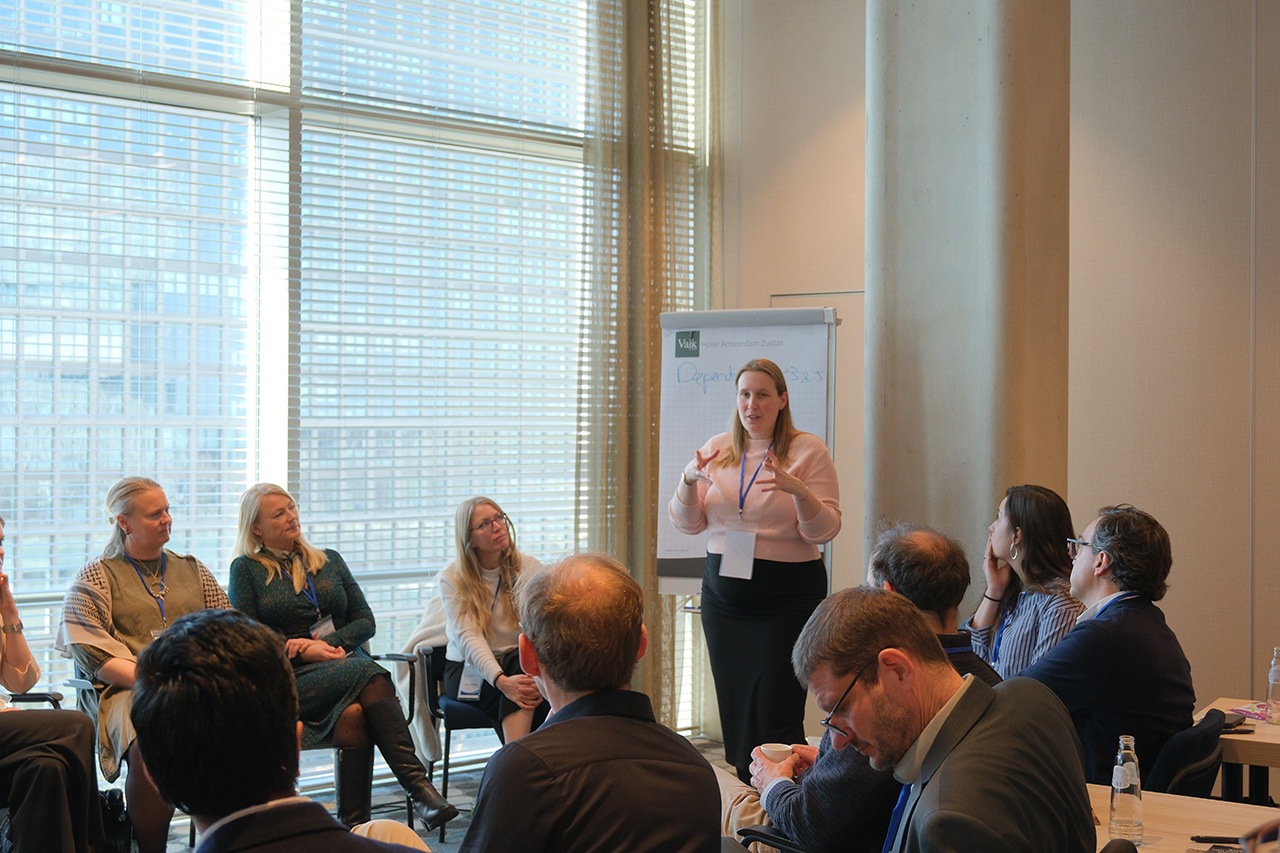
Our team from CERTH-ITI – represented by Spiros Nikolopoulos, Thanos Stavropoulos, and Lampros Baltadoros – was deeply engaged throughout the two-day event. Through a series of plenary sessions and focused breakout groups, we aligned on work package objectives and gained valuable perspectives on the EU Innovative Health Initiative (IHI) framework provided by our project officer.
Our contributions focus on the digital backbone of the project (WP2, WP3, WP4):
- Digital Health Platform: We are leveraging AI analytics and digital biomarkers from wearable devices to facilitate earlier diagnostics and the safer administration of disease-modifying therapies (DMTs).
- Retrospective Data: Discussing strategies to aggregate and utilize existing Alzheimer’s research datasets to fuel new insights.
- AI Feature Extraction: Collaborative planning with the Fraunhofer Institute for Algorithms and Scientific Computing (SCAI) to refine how we extract meaningful patterns from complex medical data.
- Ethics & Acceptability: Working alongside Alzheimer Europe to ensure that every tool we develop respects participant preferences and adheres to the highest ethical standards.
Looking Ahead
The Amsterdam meeting wasn’t just about milestones; it was about the synergy of partners committed to making disease-modifying therapies and tailored interventions a reality in both specialist and primary care settings.
As we move forward, the focus remains on ensuring that these digital tools are not just technologically advanced, but also practical and “human-centric” for the patients who need them most.