
Focus
Research focus
Three connected lines of research take our work from controlled neuroscience experiments to useful, human-centred systems.
Brain-computer interfaces
Assistive communication, decoded neural intentions and neuroadaptive interaction using active and passive EEG-based interfaces.
Neurophysiological biomarkers
Neural signatures for cognitive-state assessment, patient stratification and research into cognitive decline.
Affective computing
EEG, gaze and physiological sensing for emotion-aware, preference-aware and human-centred systems.
Research capabilities
Methods and capabilities
Our experimental and computational pipeline combines reliable signal acquisition with modern neural representations, multimodal analysis and human-centred validation.
EEG acquisition and experimental design
High-density, lightweight and mobile EEG systems support controlled, clinical and real-world protocols.
Neural decoding and brain networks
Riemannian geometry, graph signal processing, deep learning and network analysis reveal meaningful neural patterns.
Multimodal biosignal analytics
EEG is combined with gaze, electrodermal activity, cardiac, muscular and movement signals for a holistic view of human state.
Neurophysiological biomarkers
Subtle signatures of cognitive state and disease heterogeneity support stratification and clinical research.
Active and passive BCIs
Decoded intentions and spontaneous responses become low-latency control signals for communication and adaptation.
Neuroadaptive environments
Interactive and immersive systems respond to engagement, emotion, workload and cognitive state in real time.
In practice
Research applications
Selected demonstrations show how neural decoding and multimodal sensing become testable experiences for communication, rehabilitation and human-centred interaction.
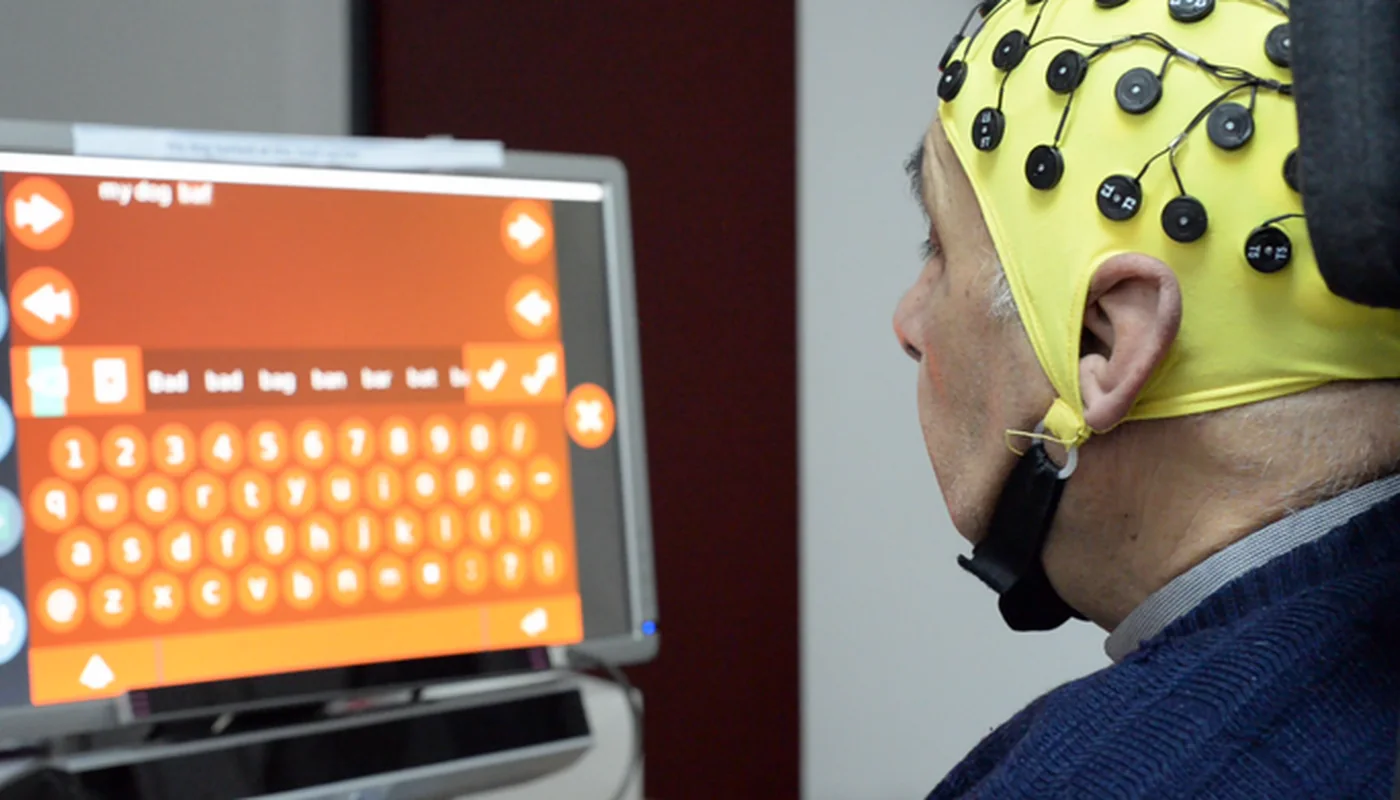
Assistive technology
BCI keyboard and neuroadaptive interaction
EEG signals are translated into communication and control, including an error-aware keyboard that can recognise and correct unwanted selections through the user's brain response.
Read the error-aware keyboard paper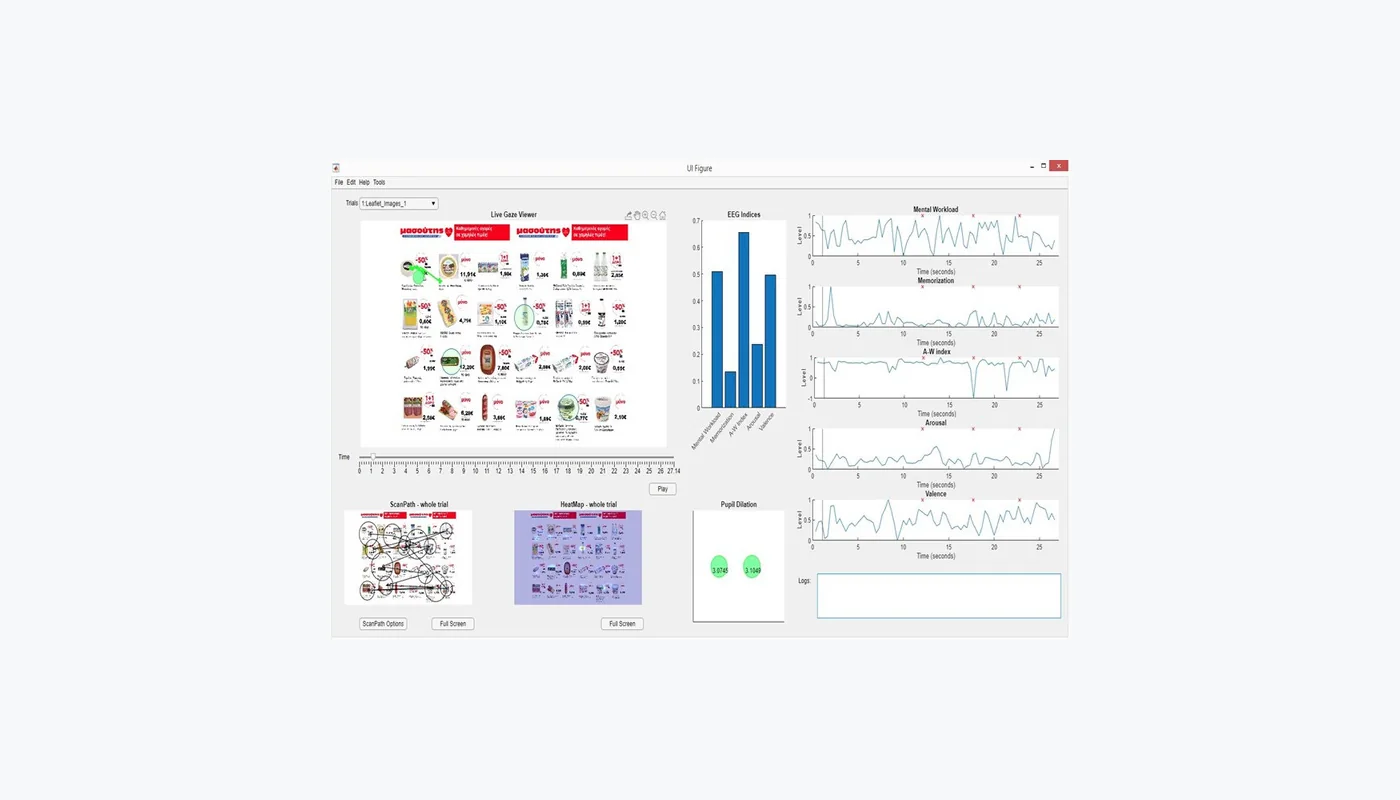
Affective computing
Neuromarketing and neuroaesthetics
EEG, gaze and biosignals help assess engagement, preference and emotional response in realistic decision-making, communication and cultural contexts.
Read the NeuMa dataset paperBrain-and-eye controlled gaming
Hybrid gaze and EEG interaction enables responsive game control and accessible experimentation.
Motor rehabilitation through gaming
Brain signals, movement and feedback are combined in motivating rehabilitative and neurofeedback experiences.
Multisensory cultural experiences
Neural and physiological responses help researchers understand attention, emotion and aesthetic experience.
Research infrastructure
EEG and biosignal laboratory
The laboratory combines 256-channel clinical EEG, lightweight and mobile EEG, VR-integrated systems, eye tracking, EMG and wearable biosensors for controlled and real-world studies.
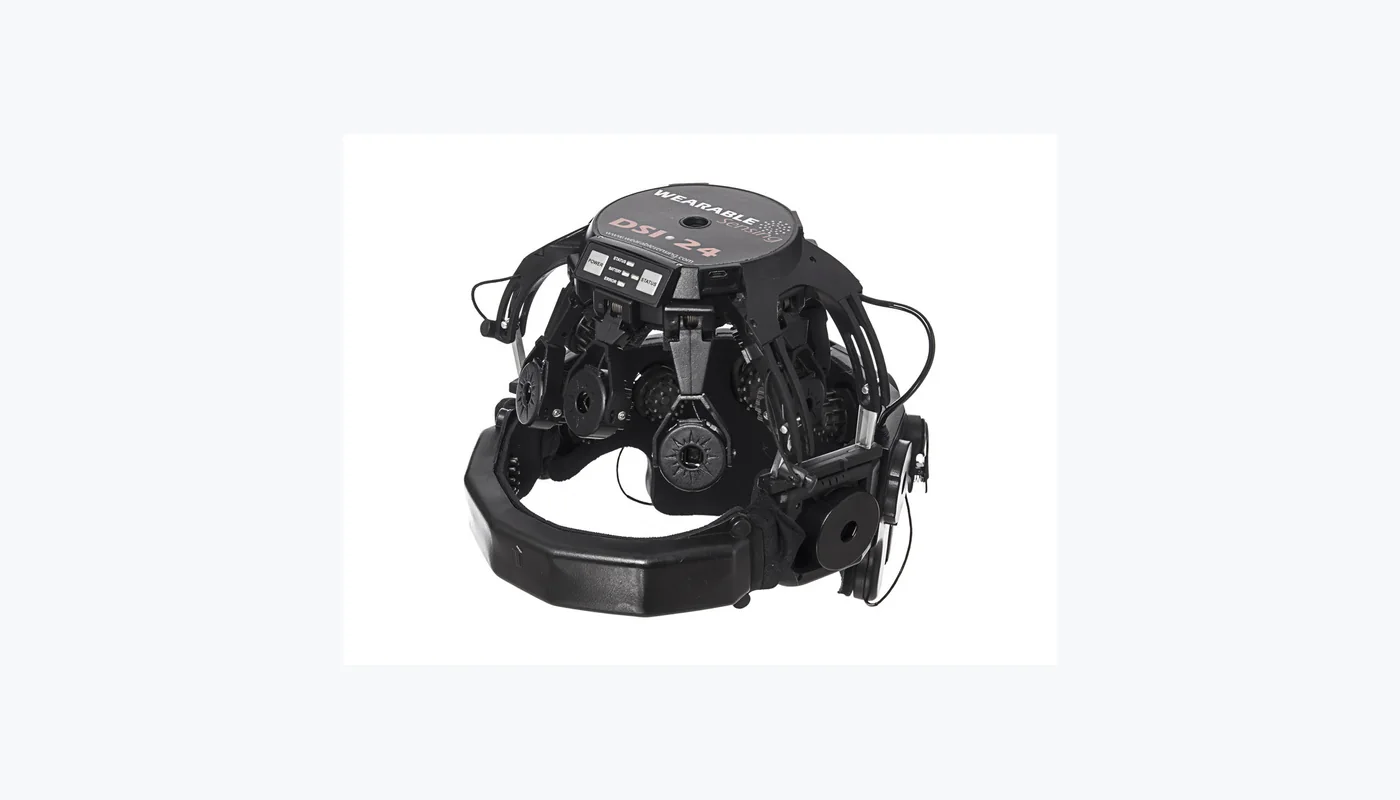
- 256-channel clinical EEG
- Mobile EEG systems
- VR-integrated systems
- Eye tracking
- EMG recording
- Wearable biosensors
Reusable research resources
Data, tools and research assets
Open and reusable datasets connect language, perception, affect, clinical research and inclusive interaction.
Speech and language EEG
Inner-speech and cross-linguistic recordings support research into covert speech and semantic representations.
Perception and affect
Graphesthetic, neuroaesthetic and neuromarketing datasets combine EEG with physiological and gaze measurements.
Clinical and inclusive interaction
Alzheimer's and multimodal interaction datasets support stratification, assistive systems and reproducible research.
Research portfolio
Projects
Selected outputs
Publications
Explore a Brain Research collaboration.
Talk with BHV about brain-computer interfaces, neurophysiological biomarkers, multimodal studies or research validation.