Focus
Research focus
Our health research connects three priority areas through shared digital-health and artificial-intelligence capabilities.
Alzheimer's disease and cognitive decline
Early detection and cognitive monitoring using digital tests, wearables, IoT and multimodal biomarkers.
Cancer prevention and care
Patient-centred digital interventions, remote monitoring and AI-enabled support across prevention, treatment and survivorship.
Rehabilitation and recovery
Personalised therapy strategies, outcome prediction and tools that support shared decisions by clinicians and patients.
Research capabilities
Methods and capabilities
BHV develops complete research pipelines, from unobtrusive real-world data collection to privacy-aware modelling, patient involvement and clinical decision support.
Technology-enabled digital tests
Familiar real-world tasks generate objective indicators for cognitive and functional assessment.
Wearables and continuous sensing
Activity, sleep, mobility and physiological signals support early detection and longitudinal monitoring.
Smart-home and IoT monitoring
Ambient and wearable sensors translate daily-living activity into meaningful behavioural patterns.
Federated and privacy-aware learning
Collaborative models learn across sites without centralising sensitive health data.
Patient digital twins
Subject-specific simulations support prediction and personalised rehabilitation strategies.
LLMs and agentic AI
Multimodal agents reason over sensor and clinical information to support workflows and personalised insight.
In practice
Research applications
These applications translate multimodal health research into measurable tasks, longitudinal monitoring and services designed with patients, clinicians and researchers.
Digital biomarkers
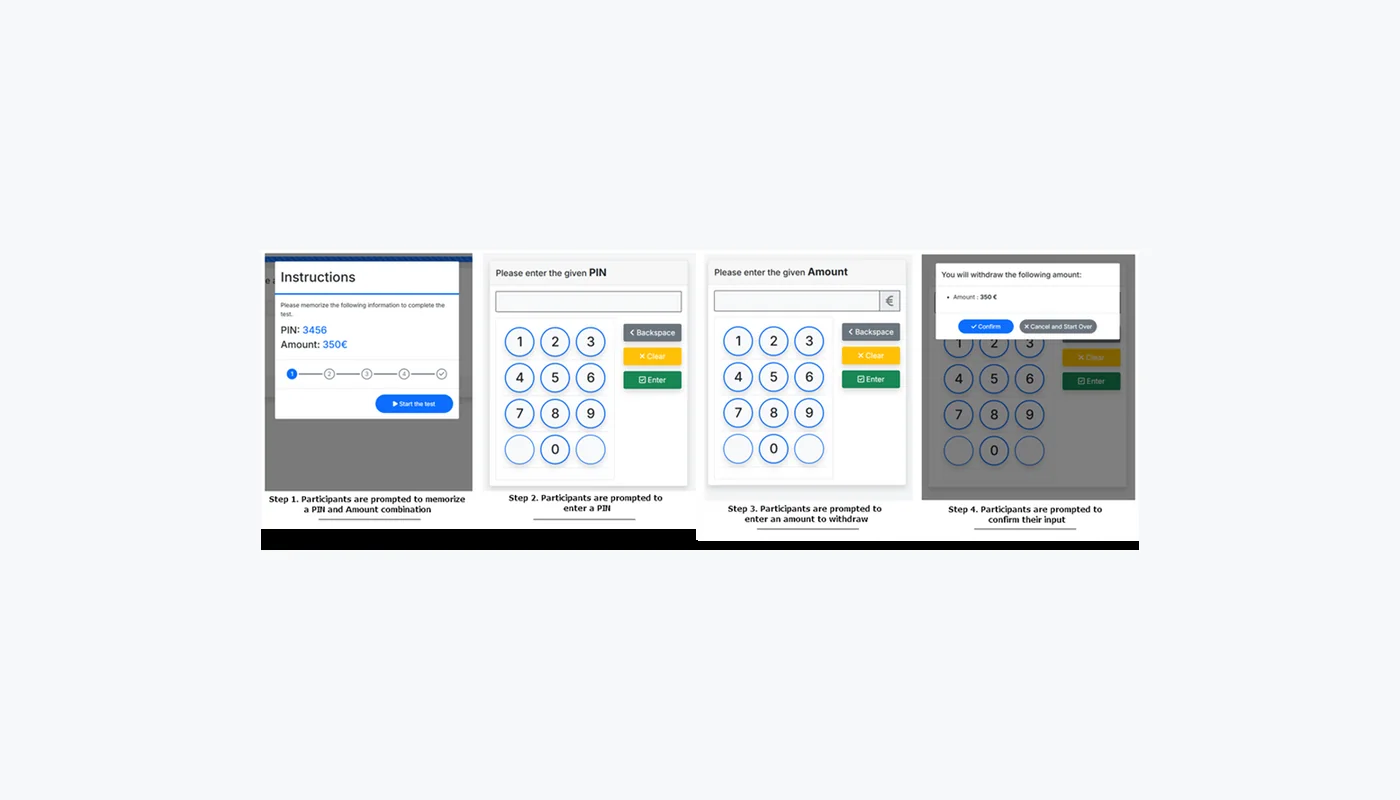
Banking tasks as real-world cognitive tests
A simulated banking application captures performance across familiar financial tasks, producing objective indicators of task complexity, accuracy and emerging cognitive difficulty.
Read the RADAR-AD banking study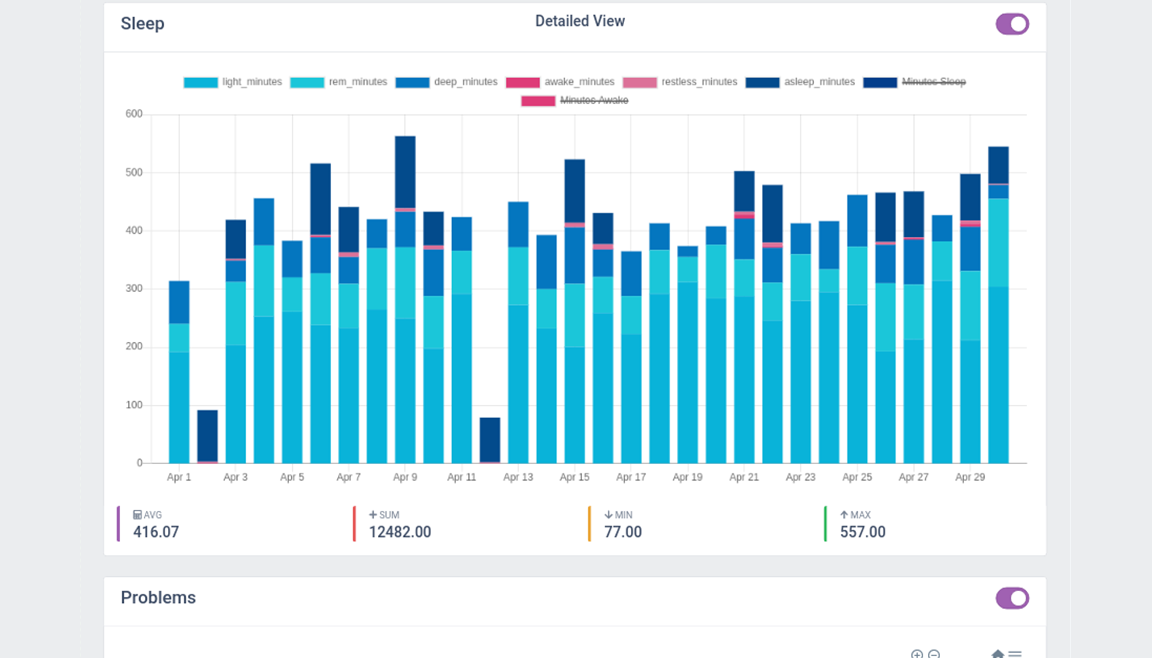
Connected care
CARL data collection and visualisation platform
The CARL platform integrates IoT sensors, wearable signals and rule-based detection with dashboards that support researchers, clinicians and pilot operations.
Read the CARL smart-home studyCancer prevention and survivorship
Patient-centred apps, virtual coaches and wearables support lifestyle change, symptom monitoring and quality of life.
Personalised rehabilitation
Prediction, biomechanics and digital twins help clinicians and patients compare therapy strategies and outcomes.
Patient and public involvement
Co-design, user testing and traceable feedback turn stakeholder needs into study and technology requirements.
Living laboratory
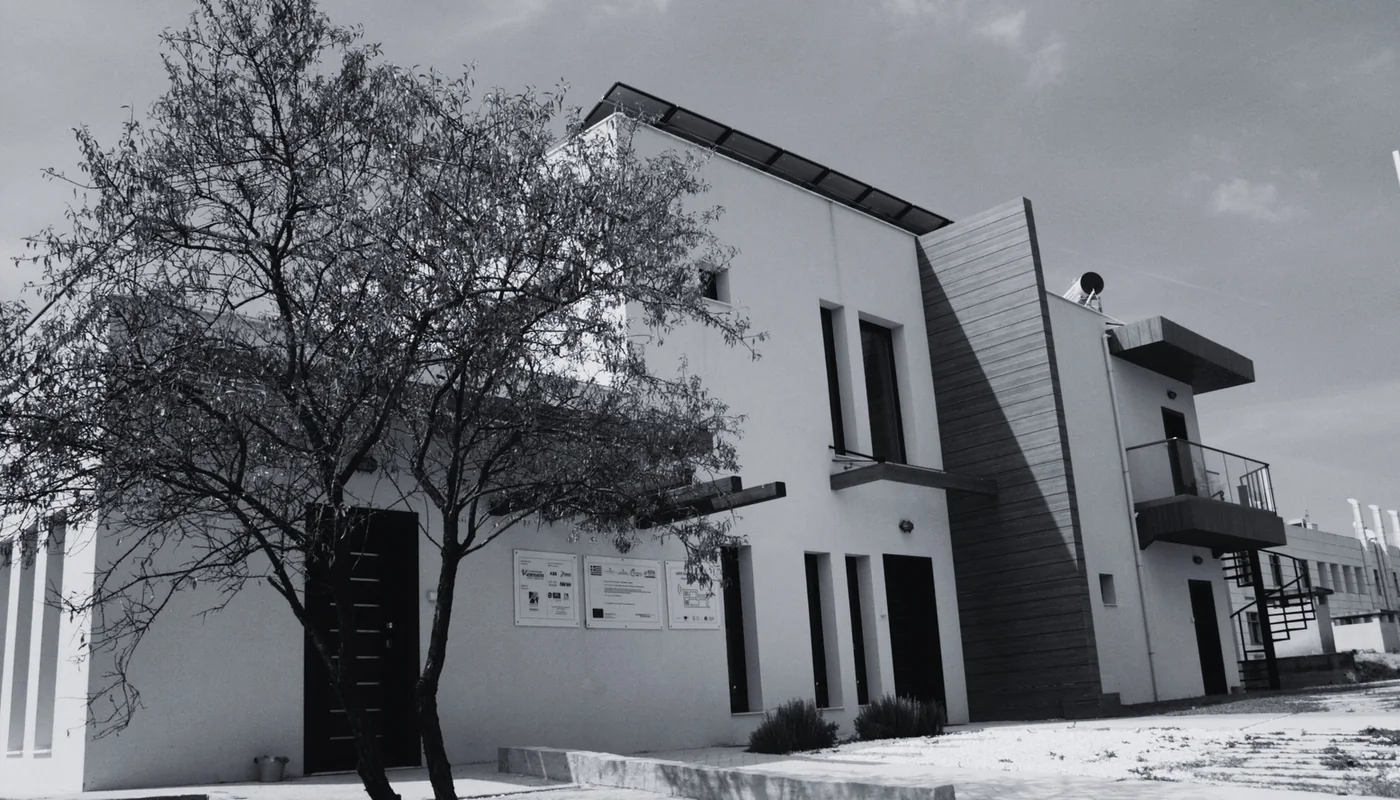
NZEB smart-home infrastructure
A fully functional home-like environment supports feasibility studies and unobtrusive monitoring of activities of daily living through fixed sensors, wearables, edge computing and research servers.
- Fixed environmental sensors
- Wearable sensing
- Edge computing
- Research servers
- Daily-living monitoring
- Feasibility studies
Reusable research resources
Data, tools and research assets
Longitudinal and ambient-care resources support reproducible studies of cognitive health, daily living and clinical technology requirements.
Remote monitoring technologies
A 13-country Alzheimer's study combines neuropsychological assessment with activity, heart rate, sleep, gait and digital-task measures.
Ambient-care datasets
Twelve datasets capture daily-living activity through video, audio, physiological and motion sensing in a controlled home environment.
Clinical requirements evidence
Healthcare-professional responses document end-user needs for ePrescription and clinical decision-support systems.
Research portfolio
Projects
Selected outputs
Publications
Develop and validate digital-health research with BHV.
Talk with us about biomarkers, remote monitoring, clinical decision support, rehabilitation or patient-centred digital interventions.