PREPARE Consortium Meeting in Ljubljana: Progress, results, and planning for the final project year
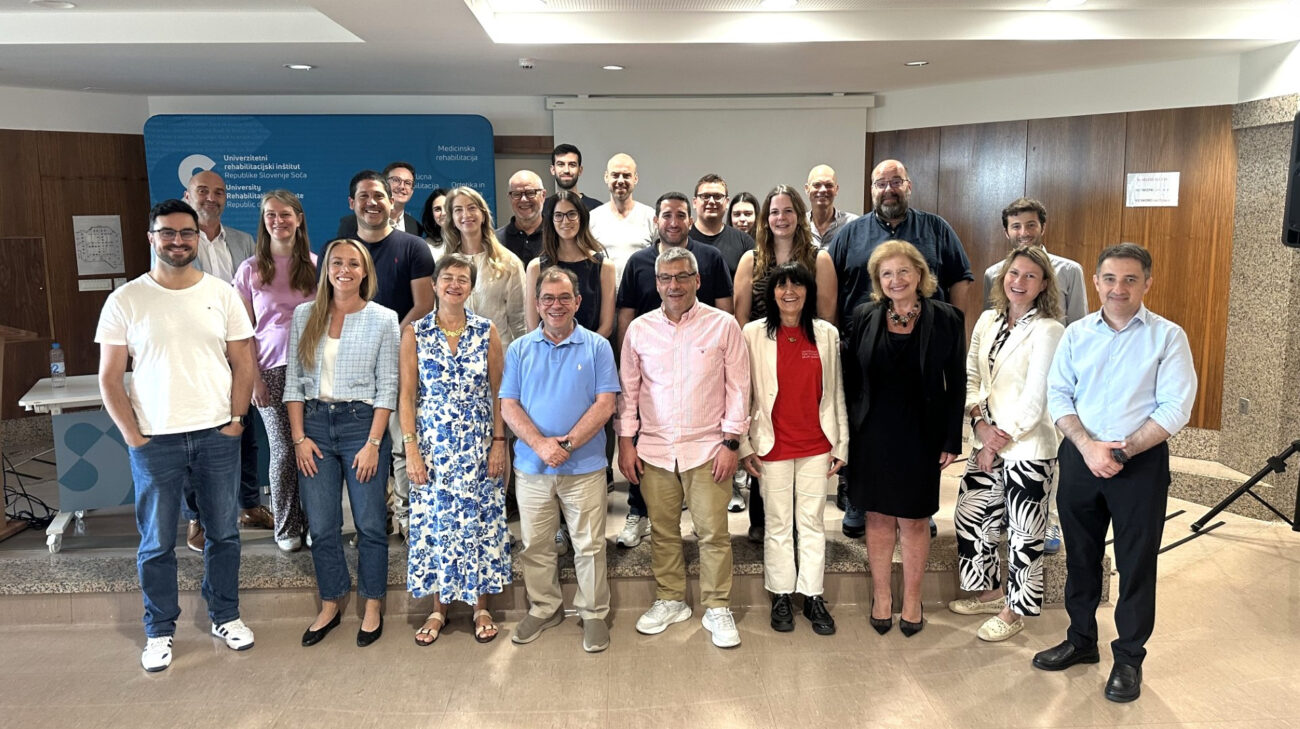
The 3rd PREPARE consortium meeting, hosted by our partners URI and JSI in Ljubljana on 8–9 June 2026, brought together project partners to review recent achievements, share the latest results, and coordinate activities as we move into the final year of the project.
Over the past year, our team has focused on developing predictive models using and extending OHDSI tools, while maintaining close collaboration with clinical partners. This approach ensures that our work remains both technically robust and clinically relevant.
Dissemination Highlights
In April, we participated in the OHDSI Europe Conference, where EMC presented a poster on model development challenges within the PREPARE project. The work highlighted important issues, including the accurate definition of laterality and the integration of questionnaires for capturing Patient Reported Outcome Measures (PROMs).
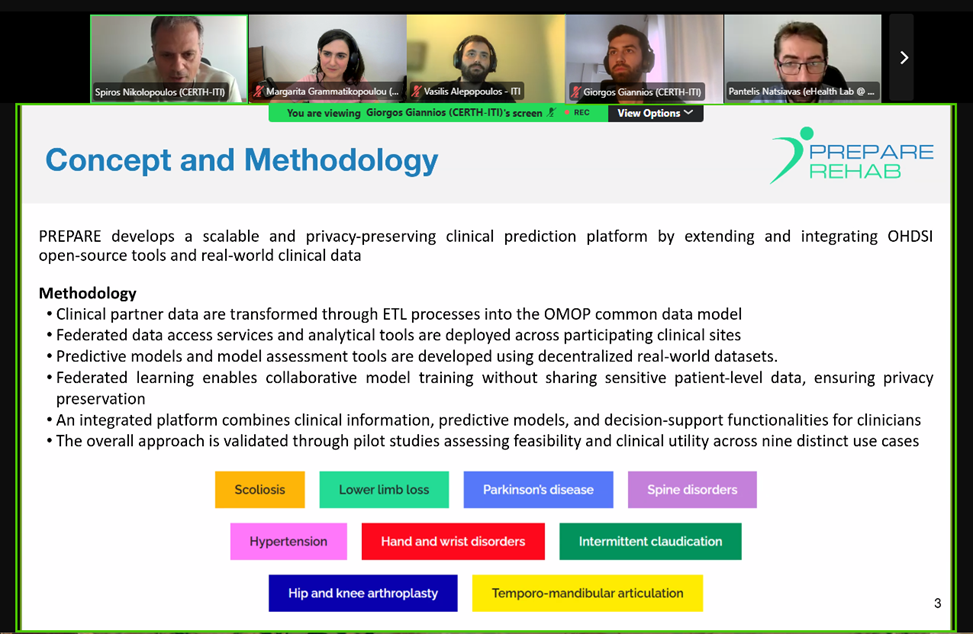
In May, we presented the PREPARE project and our team’s contributions during a webinar organized by the eHealth Lab of INAB – CERTH. The presentation focused on the challenges of utilizing healthcare data, the opportunities offered by OHDSI tools, and the ongoing efforts to advance real-world data-driven health research.
Discussions in Ljubljana
During the first day of the meeting, consortium partners reviewed the latest technical developments and confirmed that the complete workflow pipeline is in place. CERTH, represented by Giorgos Giannios and Margarita Grammatikopoulou, with online participation from Vasilis Alepopoulos, outlined the next steps, which include advancing models for five clinical use cases and further exploring federated learning approaches. This work will leverage OMOP datasets from clinical partners alongside openly available resources such as MIMIC III.
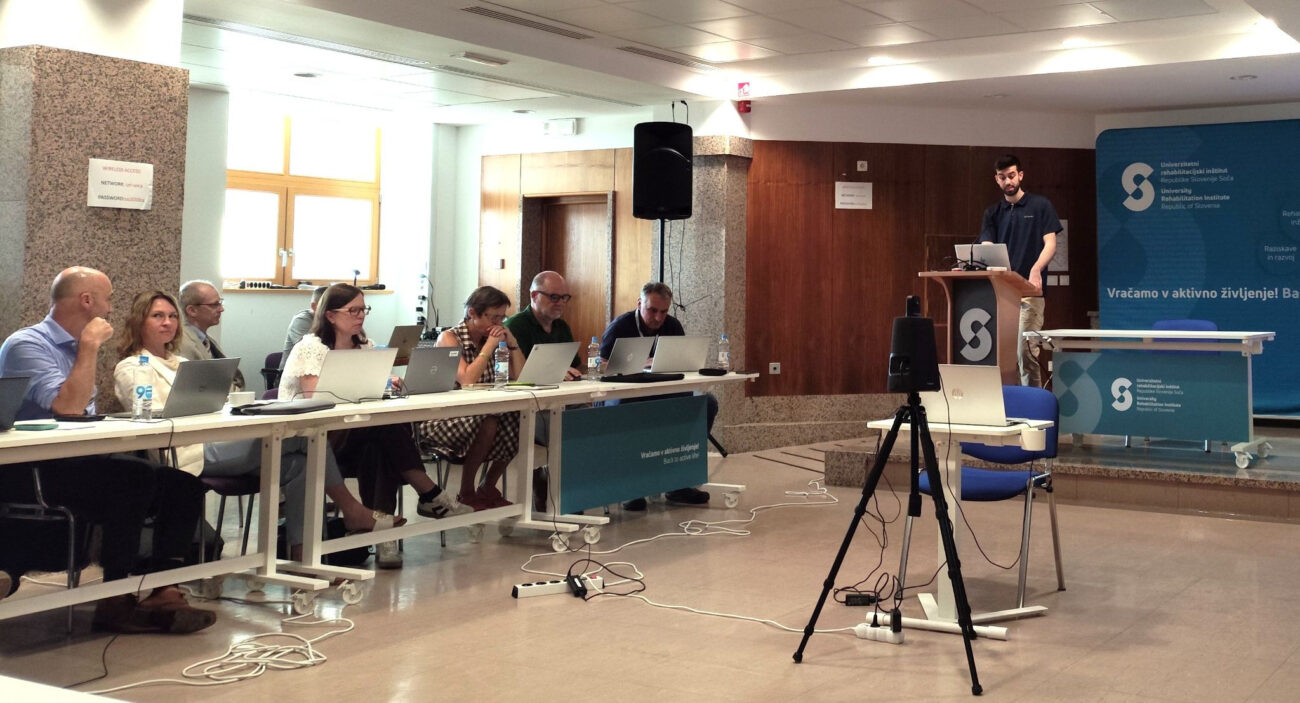
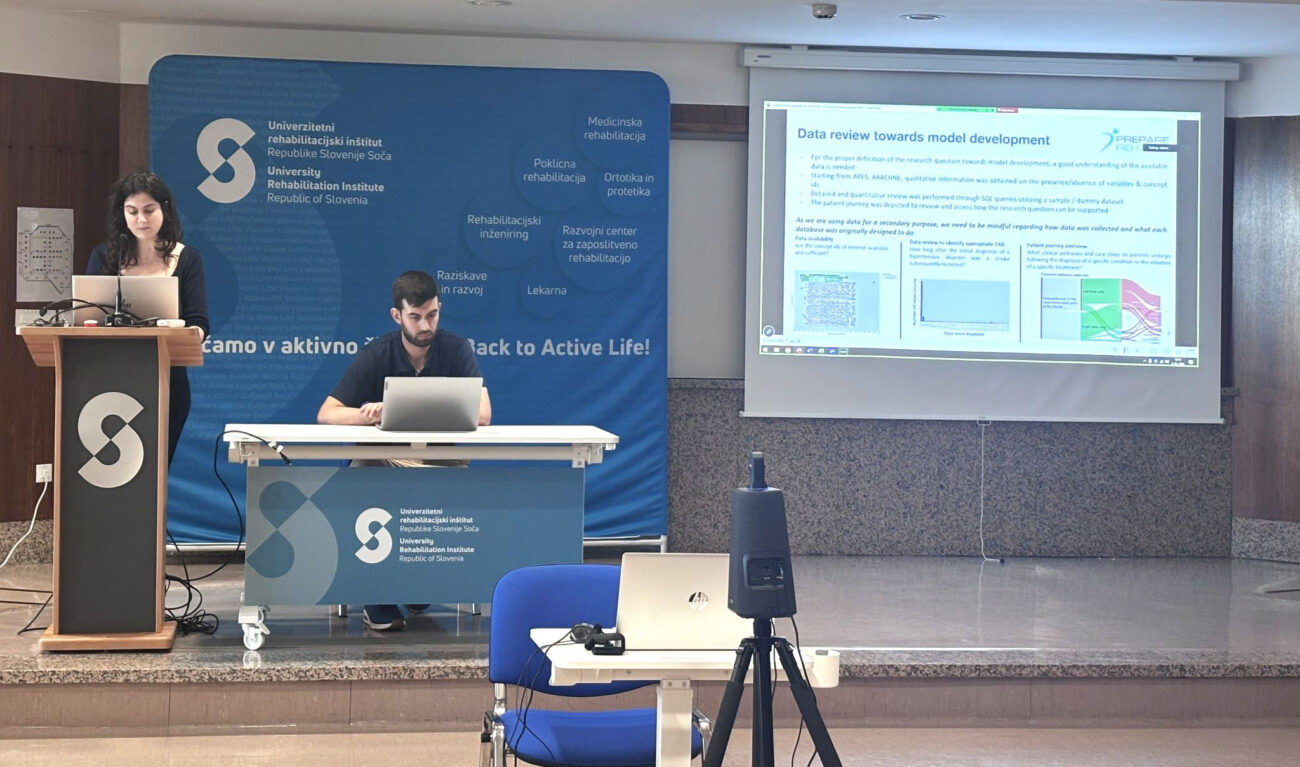
The second day focused on the medical device regulation roadmap, including the specifications and requirements that will guide future development and validation activities and ensure regulatory readiness. Partners also continued planning the upcoming pilot studies and the recommendations yielded by the project.
A particularly valuable aspect of the meeting was the opportunity to engage in person with clinical partners responsible for the use cases currently under development. These discussions helped ensure that the clinical knowledge and requirements are accurately reflected in the models and that the resulting solutions address real world clinical needs.
Looking Ahead
We are excited about the progress of our OHDSI compliant workflow and its potential to support reproducible and impactful research. We look forward to the next phase of the project and the contributions still to come.