CIRCLE project launches in Athens to explore culture and religion as resources for peace

How can culture, religion and artistic expression help bridge divides in communities affected by conflict?
This is the central question behind CIRCLE (Creative Interfaith and Restorative peaCebuilding in artful Learning spaces and placEs), a new EU-funded Horizon research and innovation project officially launched with a two-day Kick-off Meeting at the National and Kapodistrian University of Athens (NKUA) on 12–13 October 2026.
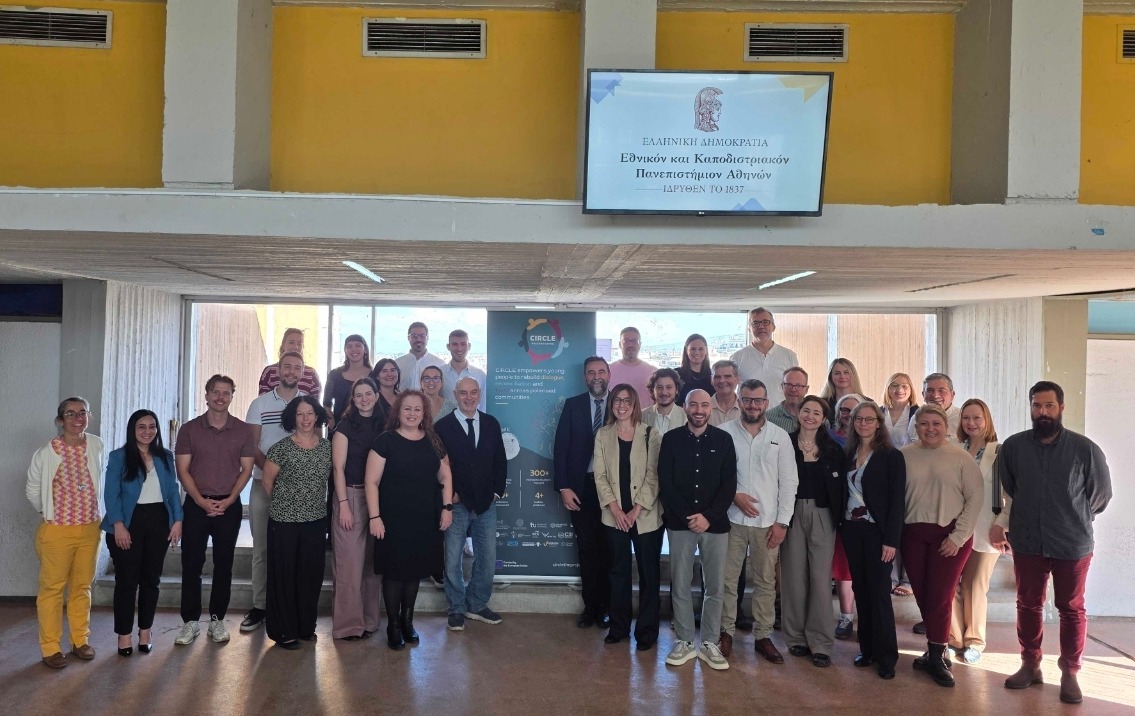
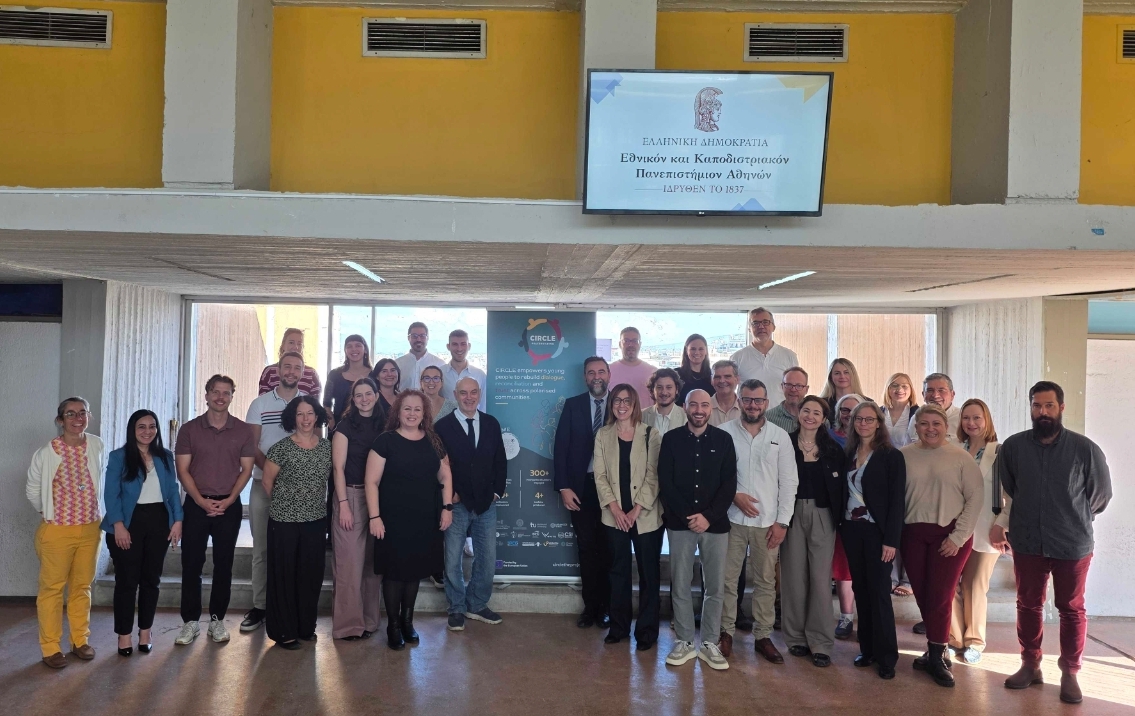
Seventeen partners from 13 countries gathered in Athens on 12–13 October to launch a 3,5-year European research initiative that will work with young people across eight settings affected by conflict and polarisation, exploring new ways to foster dialogue, mutual understanding and reconciliation. Over the next 42 months, from October 2026 to March 2030, the project will bring together researchers, educators, artists, cultural organisations, faith leaders and local communities to develop and test participatory approaches to peacebuilding, with a particular focus on young people.
The project’s kick-off meeting was hosted by its coordinator, the National and Kapodistrian University of Athens, at the University’s School of Theology. The two-day gathering brought the international consortium together to establish a shared understanding of CIRCLE’s objectives, clarify responsibilities and plan the first stages of implementation.
Day 1 focused on the project’s organisation, decision-making processes, financial management and communication strategy. Following the introduction of representatives of the European Research Executive Agency (REA), including Bettina Kittel, Project Adviser, Myrofora Chatziioannidou, Financial Officer, and Giuliana Defrancesco, Policy Officer at the European Commission’s Directorate-General for Research and Innovation, Professor Stephan Parmentier of KU Leuven, CIRCLE’s external Ethics Advisor, shared his initial reflections on the ethical considerations that will guide the project’s activities.
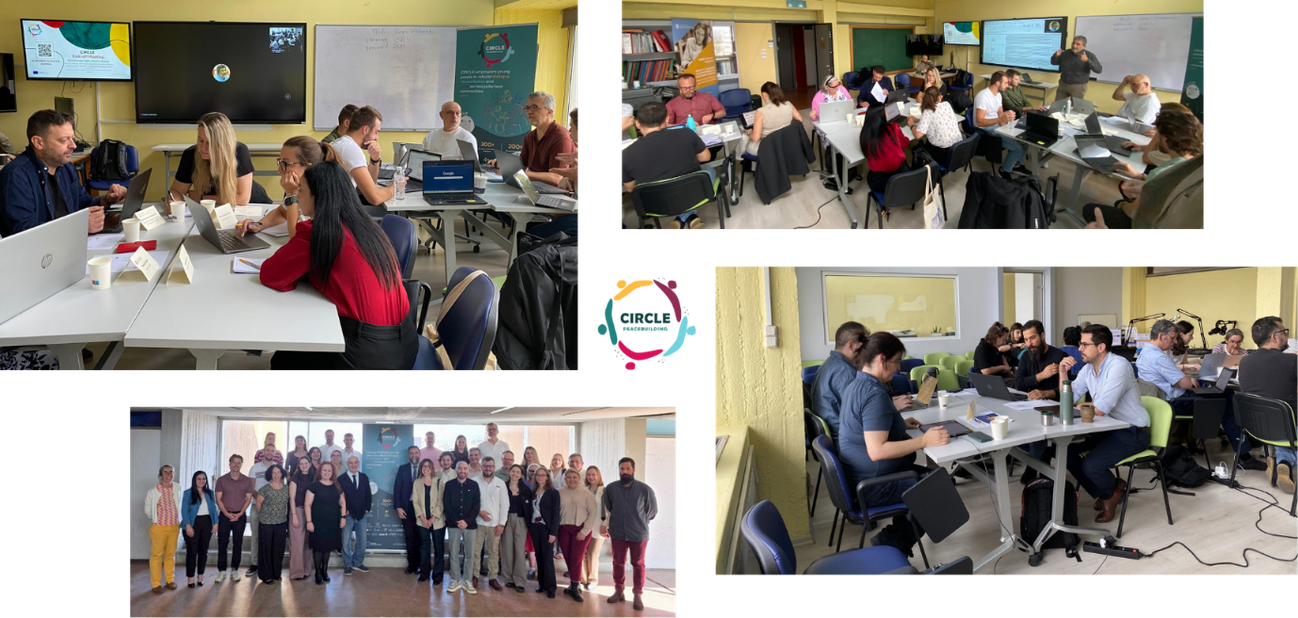
On Day 2 the focus shifted from presentations to collaborative planning. Through a series of facilitated co-design sessions, partners worked in smaller groups to translate the project’s objectives into concrete activities, responsibilities and priorities for the coming months.
BHV research group will lead the development of immersive and interactive digital environments designed to support interfaith and intercultural dialogue, extending the reach of peacebuilding activities beyond physical settings. This technological dimension adds a distinctive layer to CIRCLE’s methodology, enabling scalable, accessible and innovative forms of engagement for communities and young people across the eight project pilots.