PREDICTOM Annual Consortium Meeting: Three Days of Collaboration and Progress

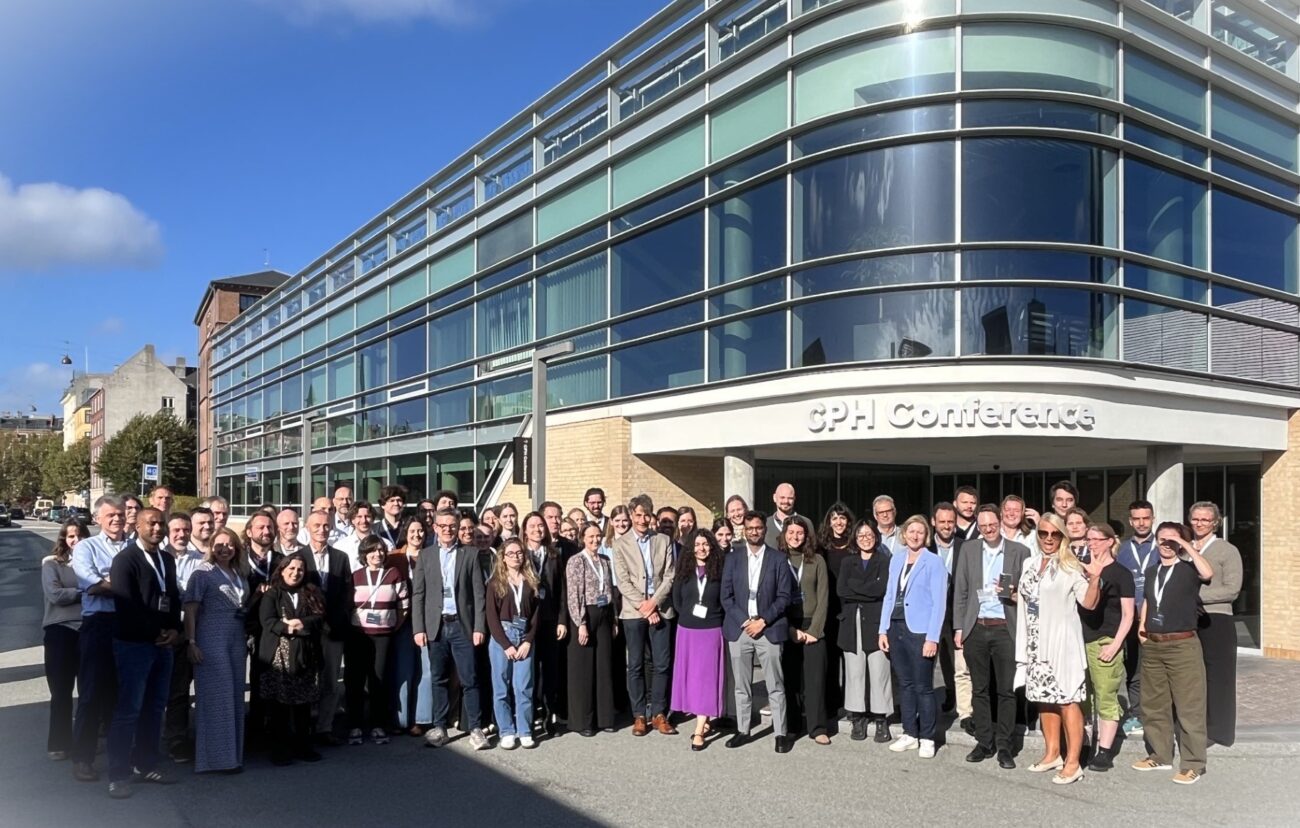
From 6–8 October 2026, the PREDICTOM consortium came together for its annual meeting to review progress, discuss emerging findings, and align on the next steps towards developing improved approaches for the early detection of Alzheimer’s disease.
This year’s meeting was particularly exciting as the first data began to emerge across the different study modalities, including digital and physiological measures, biofluids, and imaging. While the dataset is still developing, these initial insights are already helping partners refine research questions, explore potential relationships between biomarkers, and identify opportunities to strengthen data collection and analysis.
A key focus throughout the meeting was recruitment and participant stratification across Level 1 and Level 2 of the study. Discussions highlighted the importance of ensuring a representative cohort and refining recruitment strategies to better capture individuals with subjective cognitive decline. Partners also explored how clinical assessments, digital measures, and blood-based biomarkers can be combined to improve risk prediction while accounting for factors such as age and differences in recruitment settings.
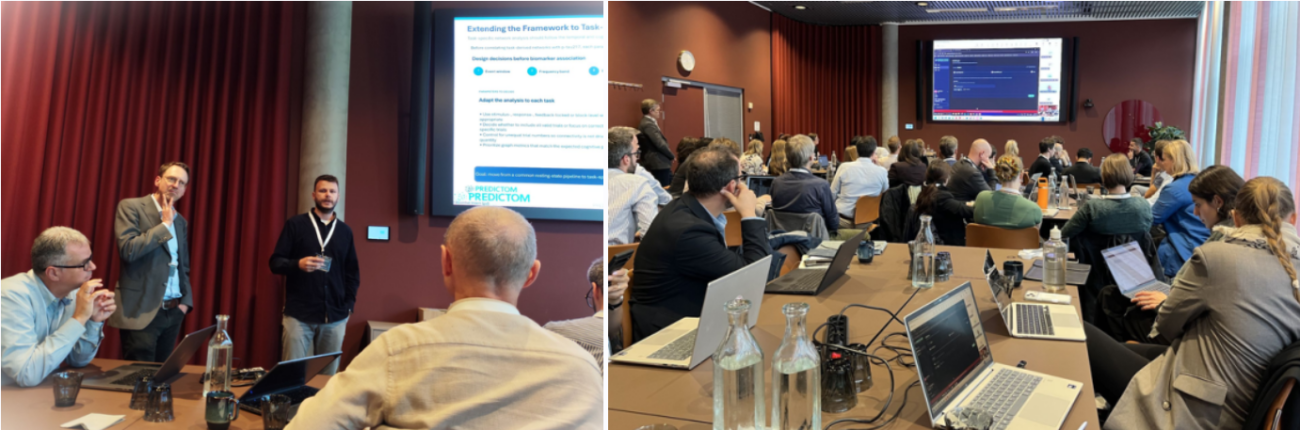
The consortium also discussed the ongoing development of the PREDICTOM data platform, including data harmonisation, feature extraction, quality control, and the integration of analytical models. Ensuring consistency across partners and creating a robust framework for combining information from different modalities will be essential for supporting future analyses within the consortium and beyond the project duration. As the project enters its fourth year, the consortium discussed the assets identified so far and explored strategies to sustain them and maximise their impact. Key priorities included assigning responsibilities to relevant partners and establishing clear timelines to ensure effective implementation and long-term sustainability.
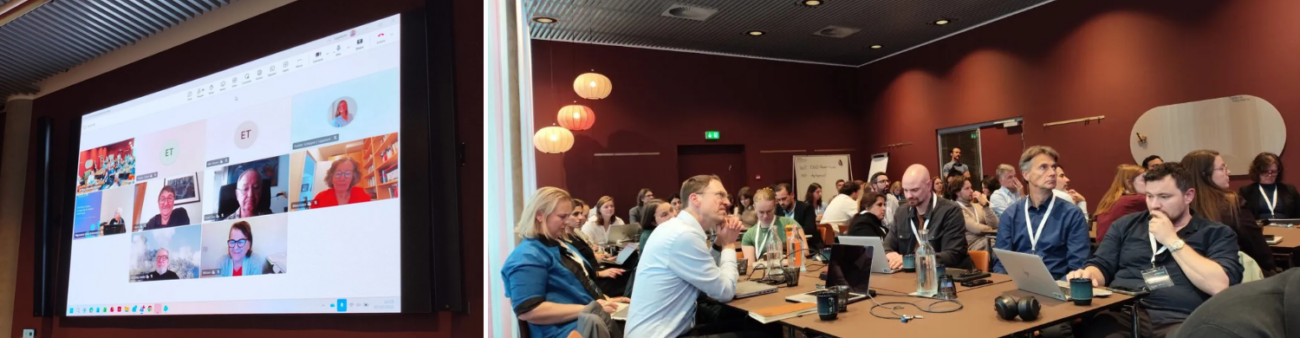
A highlight of the meeting was the session with PREDICTOM’s Public Advisory Group (PAG). Their valuable insights reminded us why this work is meaningful, and the importance of involving people with lived experience of the disease in our research. They also highlighted the need to communicate findings thoughtfully and carefully, recognising that our words and results matter to people who are directly affected.
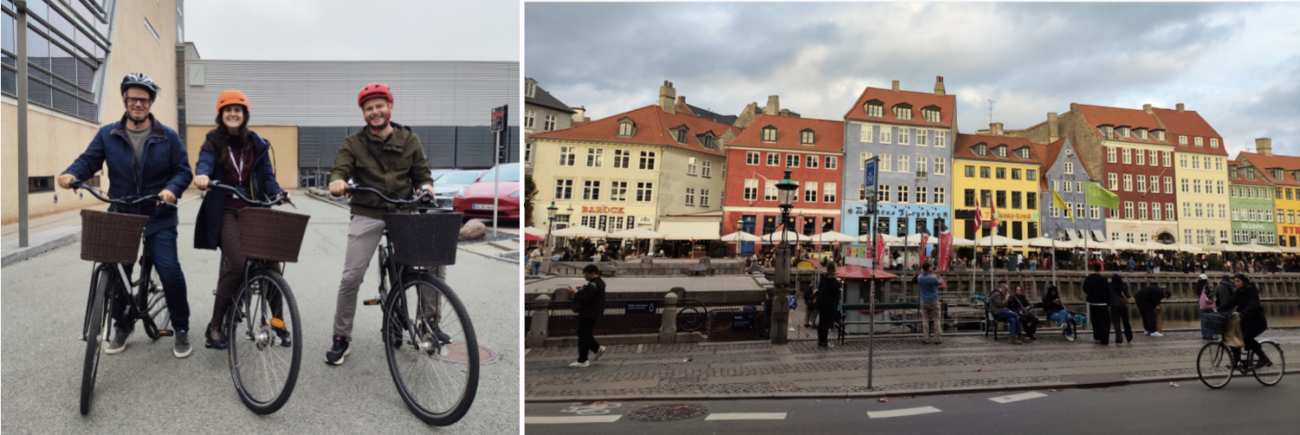
Many thanks to Novo for hosting us this year in Copenhagen and creating such a welcoming environment for collaboration and knowledge exchange. The bicycle tour was a great opportunity to connect beyond the meeting room. We at CERTH are excited about the next steps in PREDICTOM and look forward to continuing our collaboration with all partners.