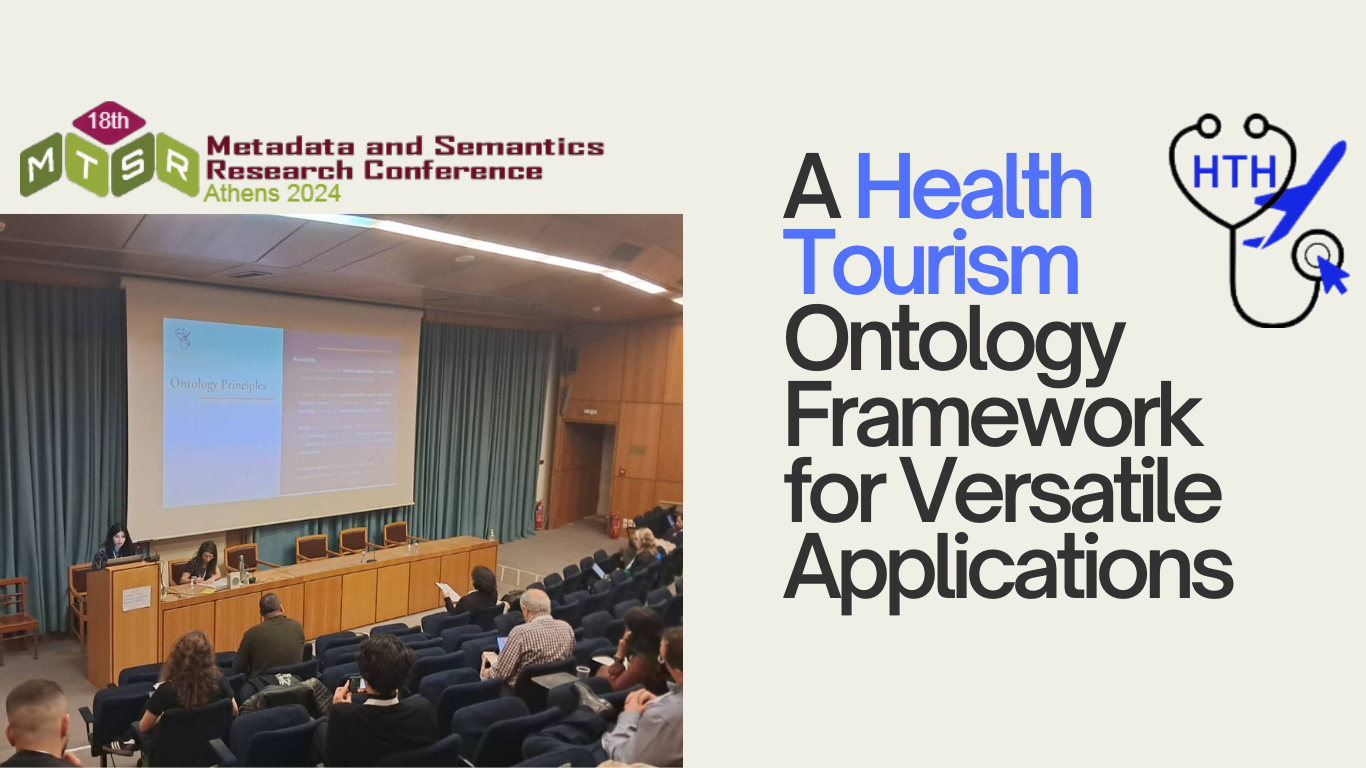
18th International MTSR Conference: Exploring a Health Tourism Ontology Framework
At the “18th International Conference on Metadata and Semantics Research Athens” held from 19 to 22 November 2024, Sofia Gkevreki – Research Associate, delivered a noteworthy presentation on health tourism that captured the audience’s attention, entitled: “A Health Tourism Ontology Framework for Versatile Applications.” This research highlighted how semantic technologies and ontologies can streamline the Read More

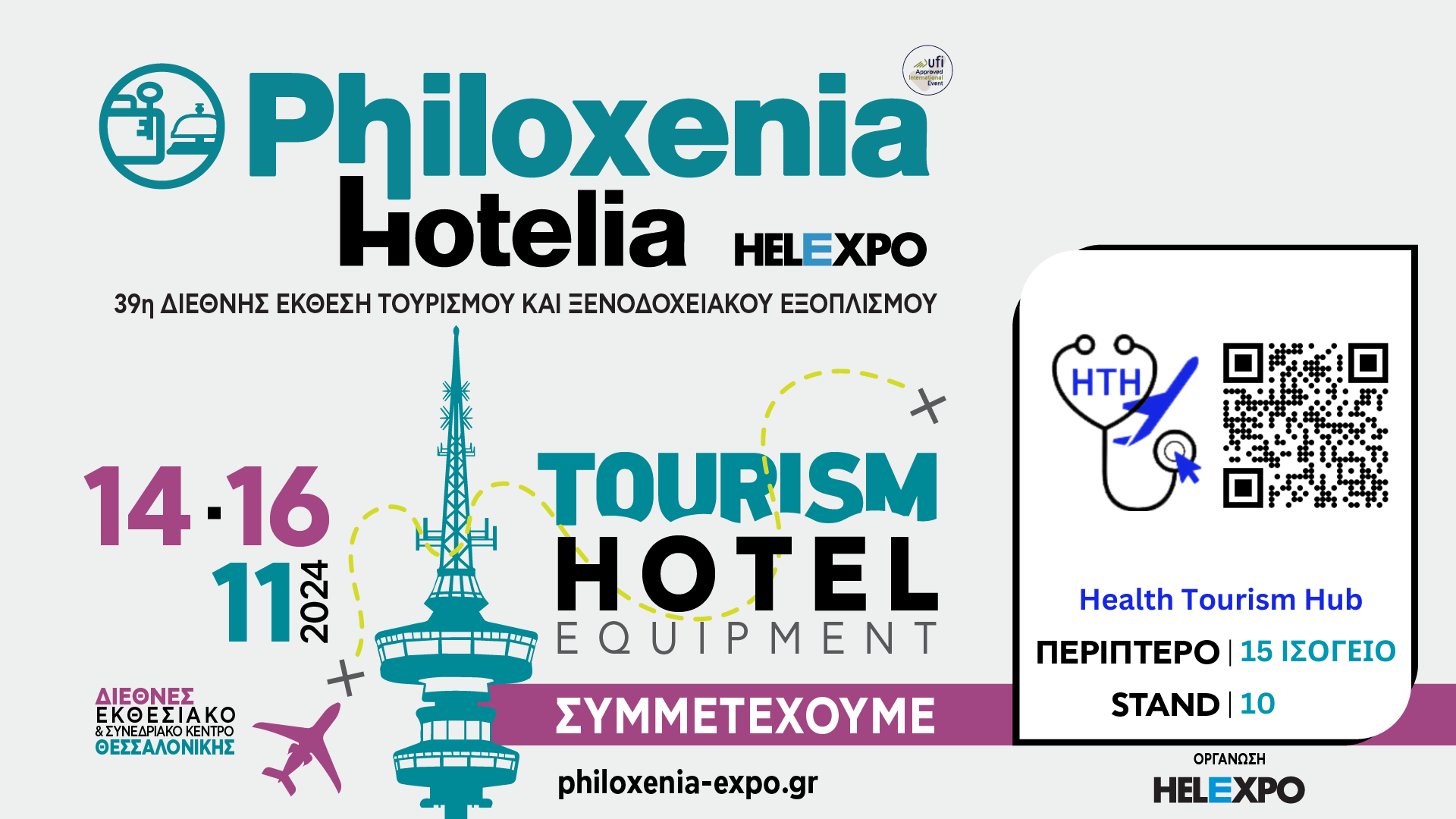
The “Health Tourism Hub” project participates at PHILOXENIA-HOTELIA 2024
We are thrilled to announce that our “Health Tourism Hub” project will be featured at the upcoming PHILOXENIA-HOTELIA 2024 exhibition! Read More
PREDICTOM Consortium gathers for plenary meeting in Erlangen, Germany
The PREDICTOM Consortium held its first annual plenary meeting in Erlangen, Germany, from Monday, 30th September to Tuesday, 1st October 2024. Partners from across Europe and beyond gathered to review the project’s progress and discuss upcoming milestones. Read More


Intelligent Conversational Agent for Medical Information
Our paper, “Intelligent Conversational Agent for Medical Information”, has been published by Springer Nature, marking a significant achievement in the field of healthcare solutions. Read More

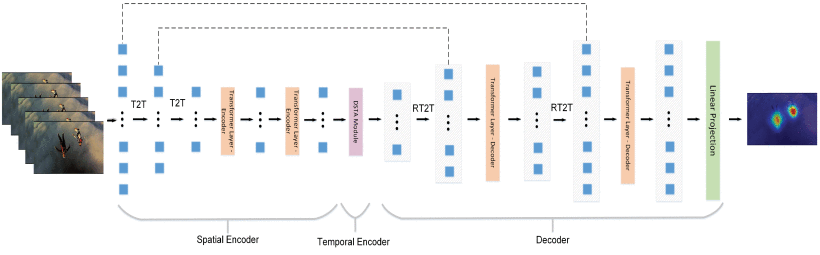
TempVST: Our Latest Video Saliency Prediction Model Published in IEEE Access
We are thrilled to share the exciting news that our paper, “The Visual Saliency Transformer Goes Temporal: TempVST for Video Saliency Prediction,” has been accepted for publication in IEEE Access. In this work, an innovative model designed to enhance video saliency prediction by extending the capabilities of the Visual Saliency Transformer (VST) is introduced. Read More

Addressing regulatory aspects in the development of remote measurement technologies for Alzheimer’s disease assessment
The Remote Assessment of Disease and Relapse – Alzheimer’s Disease (RADAR-AD) project, has made significant progress in utilizing remote measurement technologies (RMTs) to assess functional decline in the early stages of dementia. An important challenge encountered was navigating the regulatory landscape for the adoption of these novel technologies in clinical studies. Read More

Discover the Future of Health Tourism through an Ontology-Based Booking Application
The Health Tourism (HT) industry is rapidly evolving, with increasing demand for personalized and sustainable travel experiences. This research paper introduces an ontology-based booking application designed to create tailored health tourism packages. Read More
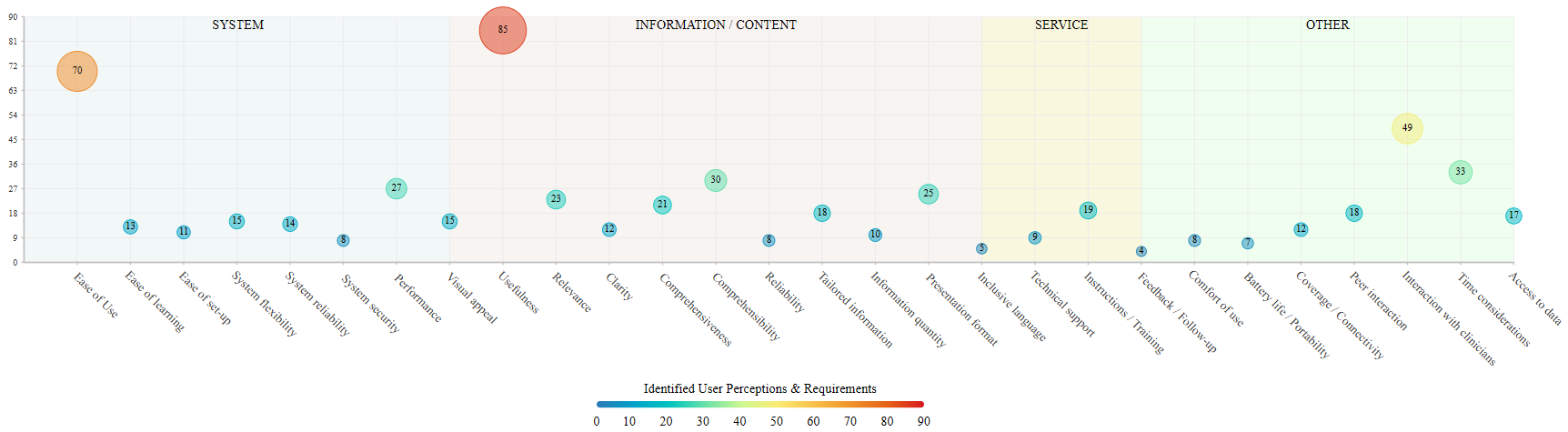
New Research Highlights Cancer Patients’ Preferences for Digital Health Technologies: New Scoping Review published on Cancers MDPI
Recent research conducted by our lab has shed light on the crucial role of digital health technologies in managing the growing cancer burden, emphasizing the importance of aligning these tools with patients’ needs. Read More

AI in Fashion: A literature review – Published at the Journal of Electronic Commerce Research, Springer Nature.
Abstract Artificial Intelligence (AI) has a growing influence in the fashion industry. In this review study, the focal points of research in AI in the context of fashion are showcased. This is achieved by quantifying the amount of research conducted in this area. Various insights, that could be useful for future studies are also provided. Read More
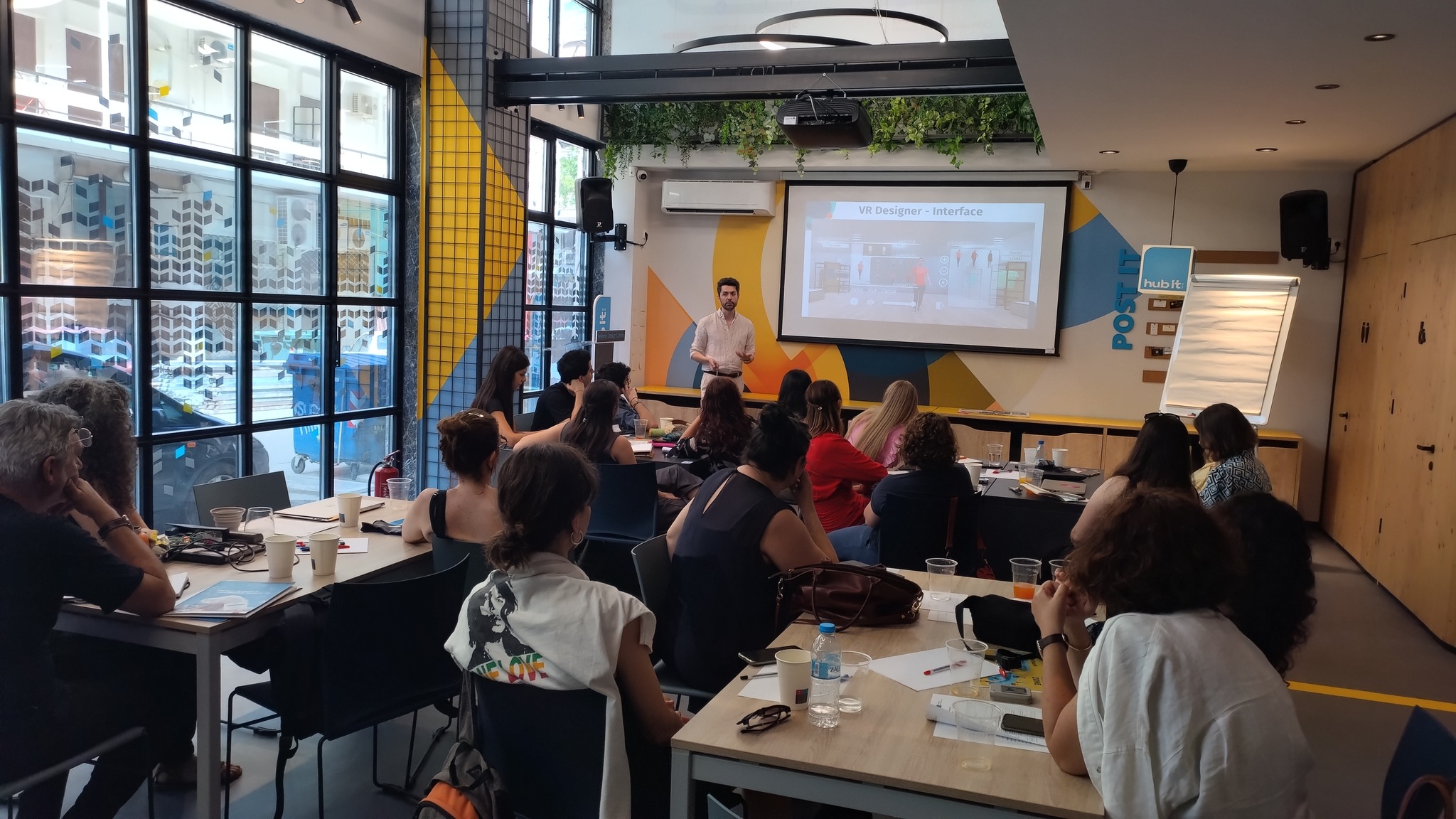
BHV joins CODES Residency for a Keynote Presentation in Digitalization and New Tech Trends in Fashion & Design
KEPA hosted 15 professionals from Croatia, Italy, and Greece who are active in the Fashion Design industry, participating in the 3-day international collaboration program CODESResidency. Read More
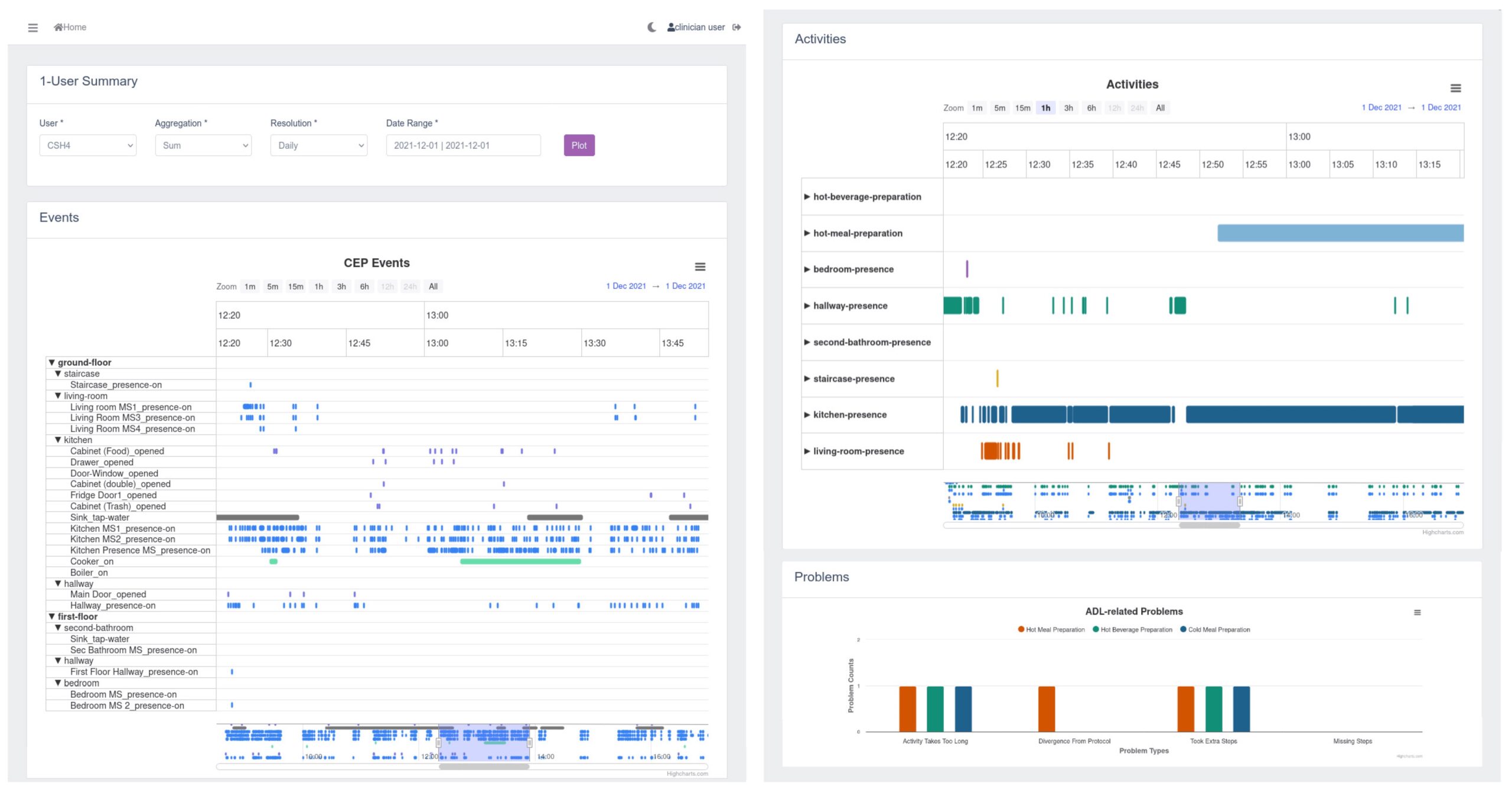
Semantic Framework Uses Smart Home Sensors to Track Activities of Daily Living and Detect Cognitive Decline-Related Issues
Early diagnosis of Alzheimer’s disease is both crucial and highly challenging. According to recent literature, assessing functional decline in Activities of Daily Living (ADLs) — essential and routine tasks that most healthy individuals can perform without assistance — offers a more promising approach compared to traditional methods like questionnaires, which rely on subjective judgments. Read More


Activities of Daily Living captured through sensors and IoT technology emerging as potential digital biomarkers in the CERTH-ITI Smart Home study
Evaluating a person’s ability to perform everyday activities, known as Activities of Daily Living (ADLs), is crucial for the early diagnosis of Alzheimer’s Disease. Traditional assessment methods for ADLs may miss subtle changes in a person’s functional capabilities, making technology-based approaches more beneficial. Read More